
The Material Ledger
Provenance
Every material that enters an Ashenfume bottle, recorded plainly: where it is born, how it was carried through history, why it is precious, and what it becomes on skin.
We name our materials without disguise. The rare naturals are honored for their rarity. Where an animalic is composed in our studio, we say so. Where one came from an animal, we name the creature and the way it was gathered. Every accord is disclosed on the fragrance it serves. This ledger is our word, kept in the open.
Florals
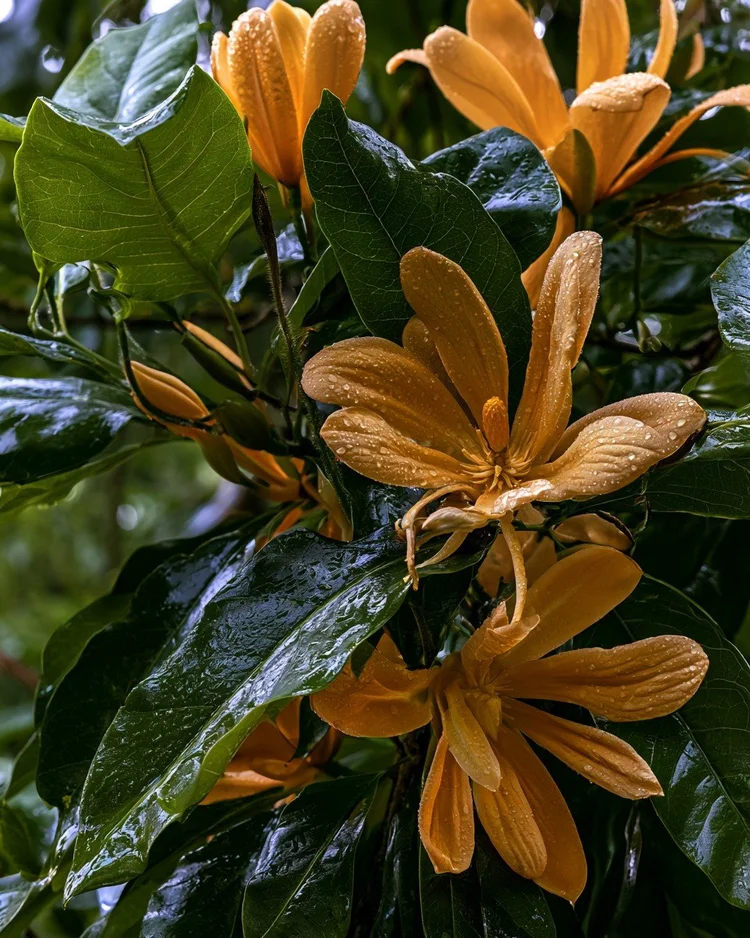
OriginChampaca (Magnolia champaca, long known as Michelia champaca) is a flowering tree of the magnolia line, grown in southern India and across tropical Asia. The blossoms are gathered by hand before the sun grows hot and turned into an absolute, since the flower gives no true essential oil.
In historyChampaca has been a sacred flower in India for centuries, offered in temples, strung into garlands, and prized in the old attar tradition, where its blossoms were co-distilled over sandalwood into a golden champa attar. It threads through Hindu and Buddhist devotion as a flower of the divine.
Why it is preciousIt takes an immense weight of fresh blossoms to yield a small measure of absolute, and the harvest window is brief. Champaca absolute is among the costlier florals a perfumer can reach for, prized for a golden warmth that no synthetic fully captures.
In the bottleIt brings a sultry, tea-like floral heart with fruit and spice folded through it. A trace lifts a whole composition into something opulent and living.
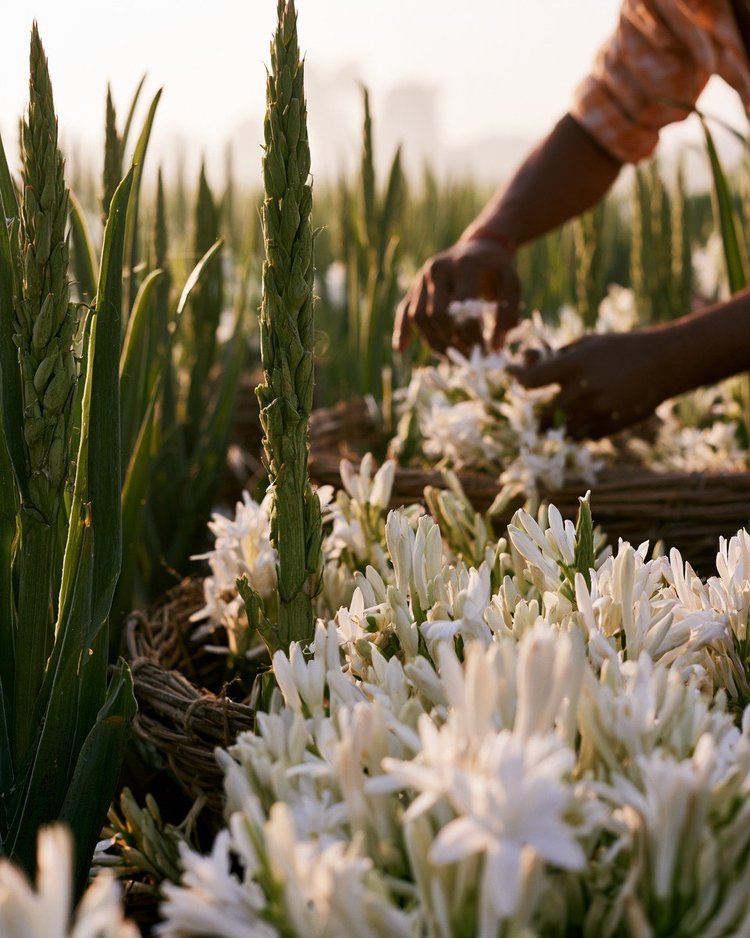
OriginTuberose (Polianthes tuberosa) opens its scent at night, releasing perfume even after the flower is picked. Native to Mexico, it is now cultivated in India and, in the old tradition, around Grasse in France.
In historyThe Aztecs knew it as omixochitl, the bone flower, and grew it long before it sailed to the old world in the sixteenth century. In Grasse it became a pillar of enfleurage, and Victorian gardeners gave it a scandalous name, warning young women away from a scent thought too intoxicating to be proper.
Why it is preciousThe yield is famously low and the labor high. Thousands of blossoms give only a few grams of absolute, which is why tuberose has long been counted among the most expensive florals in perfumery.
In the bottleIt is voluptuous and commanding, at once buttery, green, and faintly animal. Used with a light hand it turns a composition sensual; used freely it becomes the whole story.
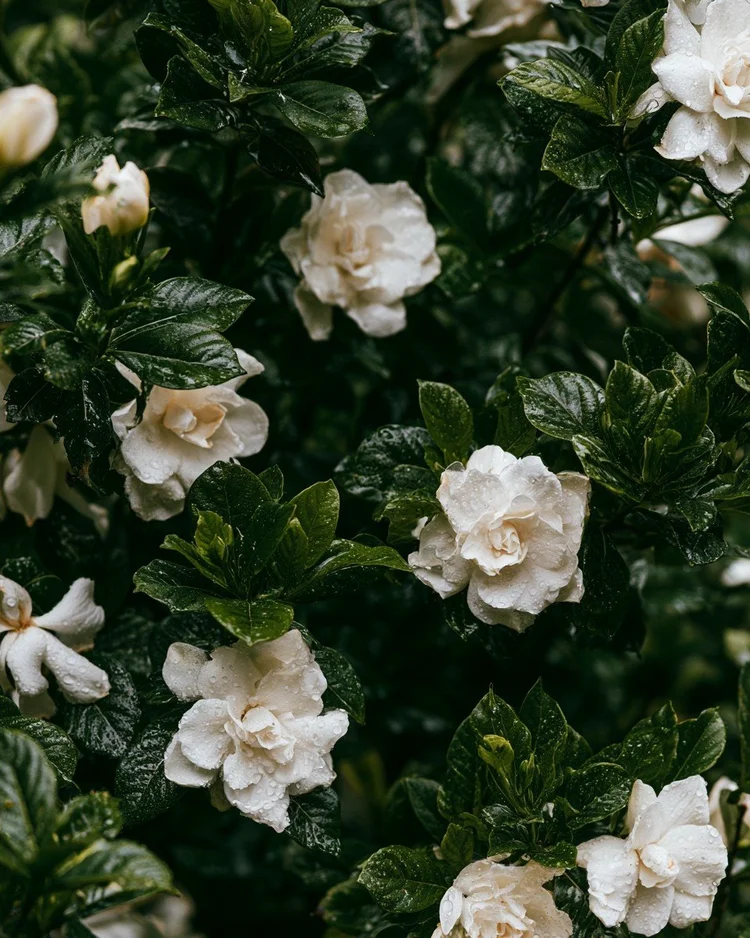
OriginGardenia (Gardenia grandiflora) is a tropical and subtropical bloom loved for its rich, milky scent. The flower resists extraction, so almost no true gardenia oil exists at any usable scale.
In historyLong grown in China, where its blossoms scented tea and its fruit gave a golden dye, the flower later carried the name of Alexander Garden, an eighteenth-century naturalist. It became the classic white boutonniere of evening dress and the signature flower Billie Holiday wore in her hair.
Why it is preciousThe value here is in the craft of the accord. A faithful gardenia is built by hand from florals and green materials to echo the living flower, and a convincing one is a mark of the perfumer's skill.
In the bottleCreamy, tropical, and cool-green at the edges, it lends a composition a fresh-cut, dewy opulence.
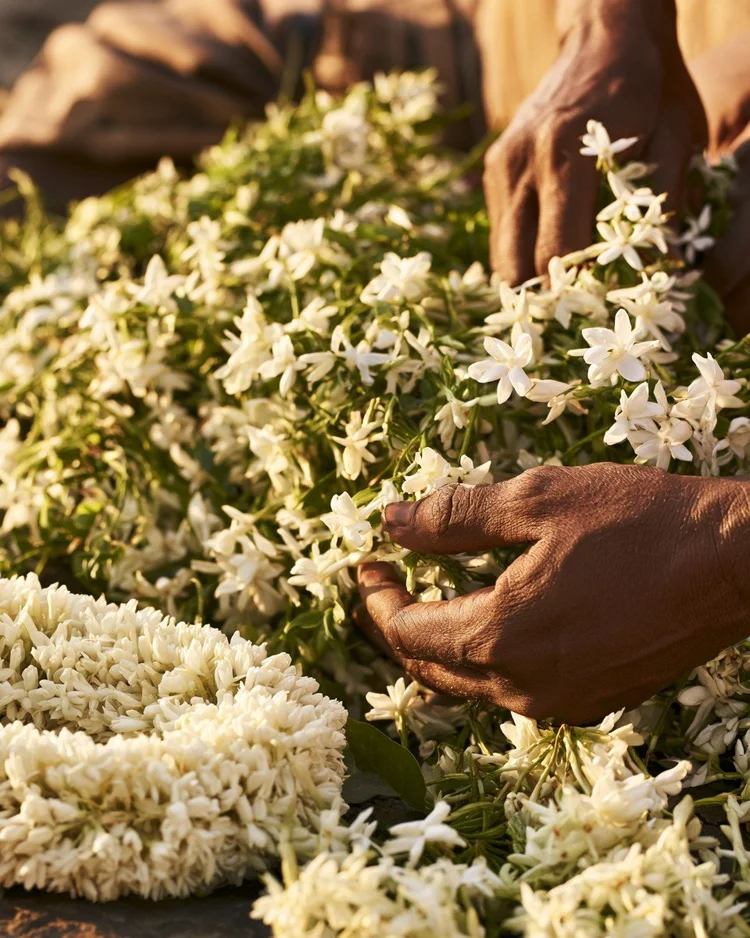
OriginSambac (Jasminum sambac) is the jasmine of garlands and jasmine tea, grown in India and across Asia. Its flowers are picked in the cool of dawn while the scent is at its fullest.
In historySambac is the sampaguita of the Philippines and the melati of Indonesia, worn as bridal garlands and offered at shrines across the region. In China its blossoms have scented green tea for a thousand years, laid among the leaves so the fragrance passes into the cup.
Why it is preciousJasmine gives no essential oil and must be captured as an absolute, and it takes many thousands of blossoms for a single small measure. An otto, distilled with great care, is rarer still.
In the bottleSambac reads greener and more luminous than Grandiflorum, with a tea-leaf brightness over a warm indolic hum that turns any floral heart alive.
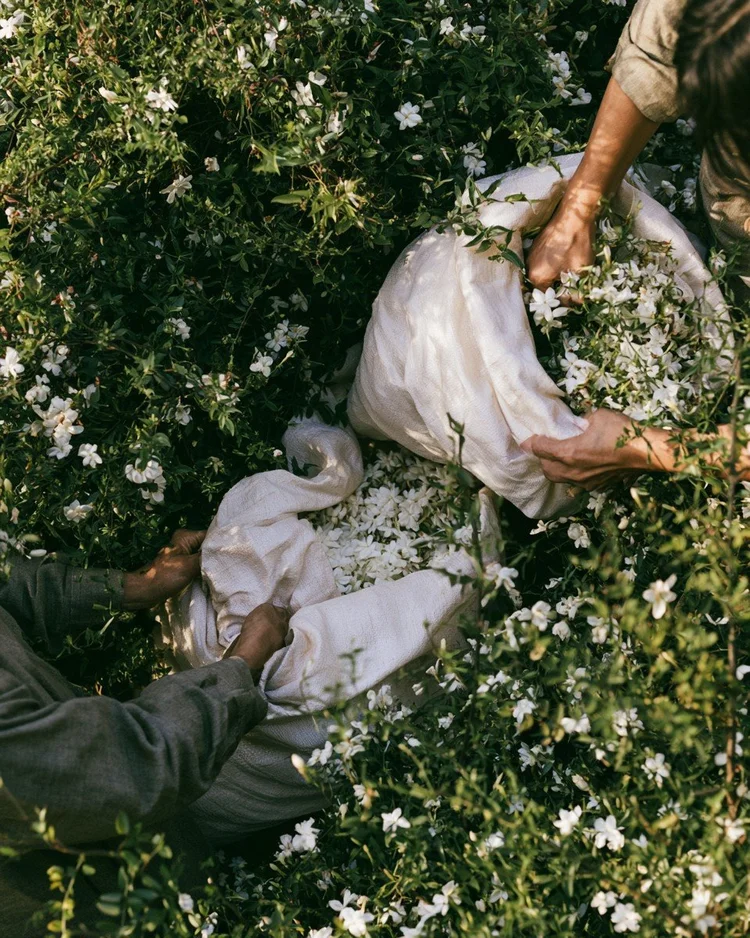
OriginJasminum grandiflorum is the jasmine of French and Egyptian perfumery, also grown in India. Like all jasmine it is captured as an absolute rather than distilled.
In historyCarried west from Persia and the Himalaya, grandiflorum found its spiritual home in the fields around Grasse, where it became the beating heart of French perfumery and the soul of the great classics. Its flowers must be gathered by hand at first light, a harvest so exacting it has stayed a mark of luxury for centuries.
Why it is preciousIts harvest is famously delicate and its yield small, and true Grasse jasmine is one of the most storied and costly materials in the perfumer's cabinet.
In the bottleRounder and sweeter than Sambac, it carries ripe fruit, honey, and a plush animal warmth that gives a composition body and depth.
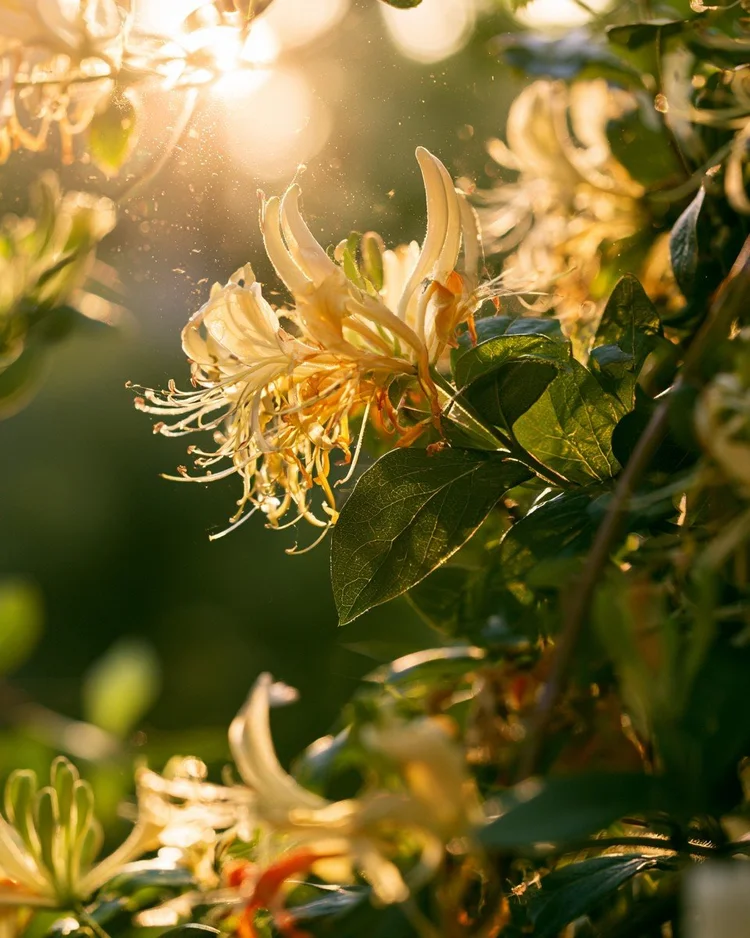
OriginHoneysuckle (Lonicera) is a climbing vine whose evening flowers pour out honey and green nectar on a summer night. A solvent absolute exists yet struggles to hold the living scent, so the flower reads most truly as an enfleurage extrait, captured in fat the old way, or as a carefully built accord.
In historyThe honeysuckle is the cottage-garden flower of old Europe, twined over doorways as a charm for love and a sweet welcome. Children have long pulled its blossoms to sip the drop of nectar at the base, and poets made it a symbol of devoted, clinging affection.
Why it is preciousGenuine honeysuckle is one of the rarest naturals in perfumery, produced by only a handful of reputable houses, and an enfleurage extrait of it is rarer still. A true rendering is a small triumph of patience.
In the bottleHoneyed and white-floral with facets of jasmine sambac and bright orange blossom, waxy-clean and saturating, it warms the top and heart of a bouquet.
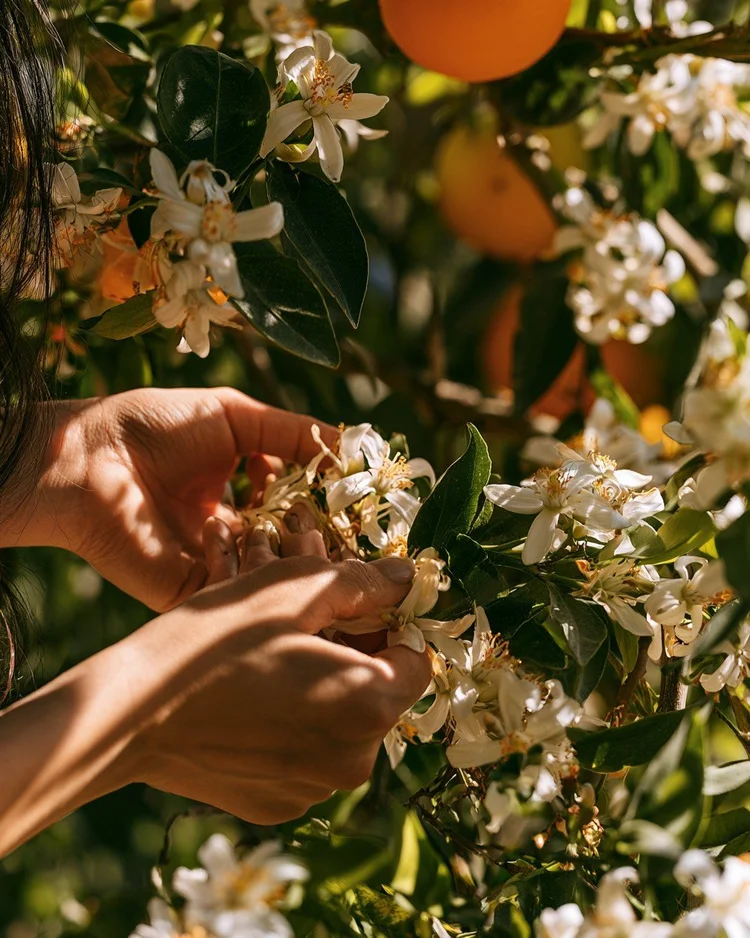
OriginBoth come from the blossom of the bitter orange tree (Citrus aurantium), much of the finest from Tunisia, Morocco, Egypt, and the Mediterranean. Neroli is the steam-distilled oil, clean and sunlit; orange blossom absolute is the solvent-extracted form, richer and more honeyed.
In historyNeroli takes its name from Anne Marie Orsini, Princess of Nerola, who in the seventeenth century scented her gloves and bathwater with the oil and set a fashion across the courts of Europe. The blossom has crowned brides as a token of purity for generations and remains the floral soul of the original eau de cologne.
Why it is preciousThe flowers are hand-gathered in a short spring window, and it takes a great weight of them to fill a small vial, which keeps fine neroli among the treasured florals.
In the bottleTogether they give a composition radiance and a soft floral warmth, neroli lifting the top with sunlit green, the absolute deepening the heart with honey.
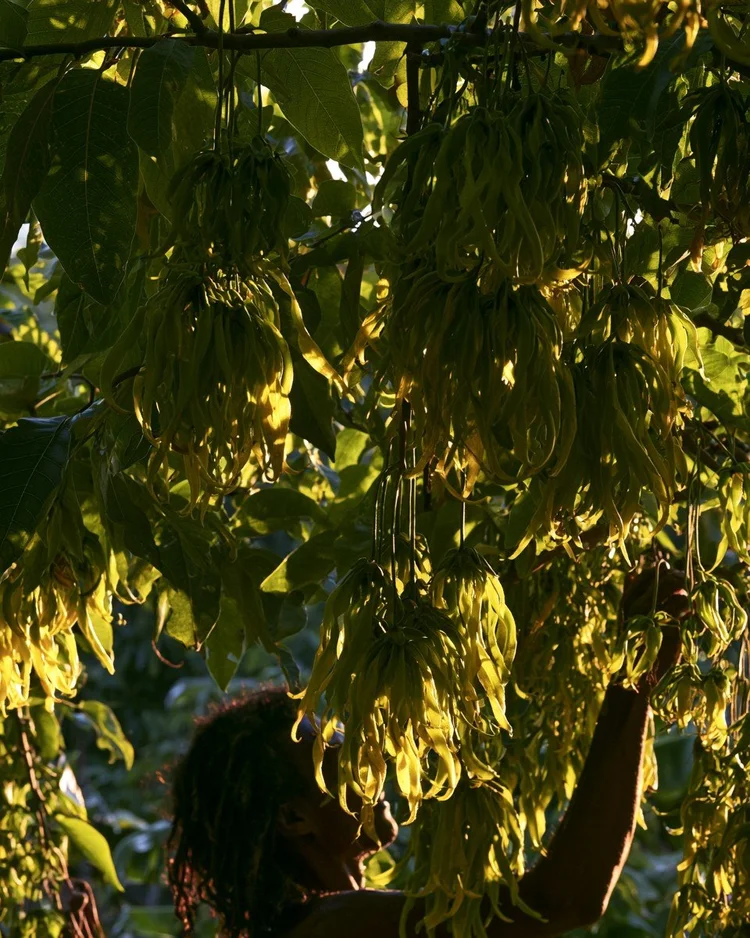
OriginDistilled from the flowers of Cananga odorata, largely in the Comoros and Madagascar, ylang-ylang is drawn off in fractions across a long distillation, giving grades from the rich Extra to the lighter thirds.
In historyThe name means flower of flowers. Across the islands its blossoms were strewn on the beds of newlyweds and steeped into the macassar hair oils of the nineteenth century. It became famous the world over as a cornerstone of the great aldehydic classics.
Why it is preciousThe harvest is done by hand and the distillation is slow and watchful, split across many hours to catch each grade at its moment, which makes a fine Extra a considered material.
In the bottleLush, custardy, and floral with fruit and spice, it softens and rounds a heart accord and lends a golden, tropical fullness.
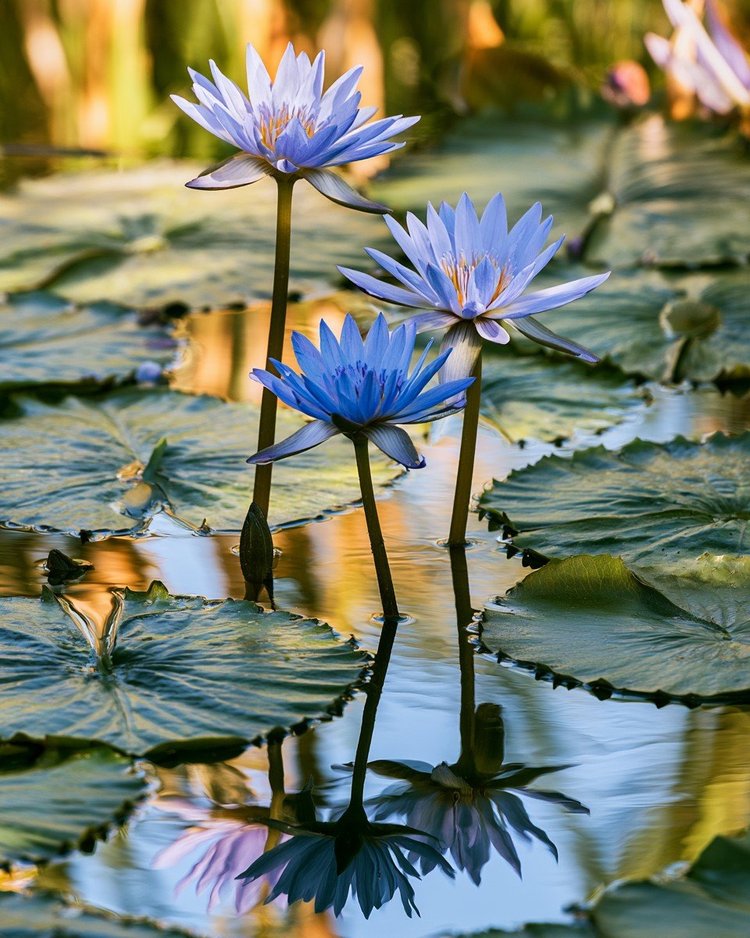
OriginThe sacred lily of the Nile (Nymphaea caerulea) opens at dawn and closes at dusk, and its flowers are captured as a rare absolute. Where a fragrance wants its dreamlike character in fuller measure, a disclosed lotus accord may stand in its place.
In historyThe blue lotus is everywhere in the art of ancient Egypt, held to the nose in tomb paintings and wound through funerary garlands. It was a flower of the sun and of rebirth, tied to the god Nefertem and steeped in wine at feasts for its gentle, calming lift.
Why it is preciousThe true absolute is scarce and low-yielding, a specialist material that few houses offer, which places it among the quiet luxuries of the cabinet.
In the bottleIt carries a soft aquatic sweetness over a resinous, myrrh-like undertone, lending a composition a dreamlike, ceremonial calm.
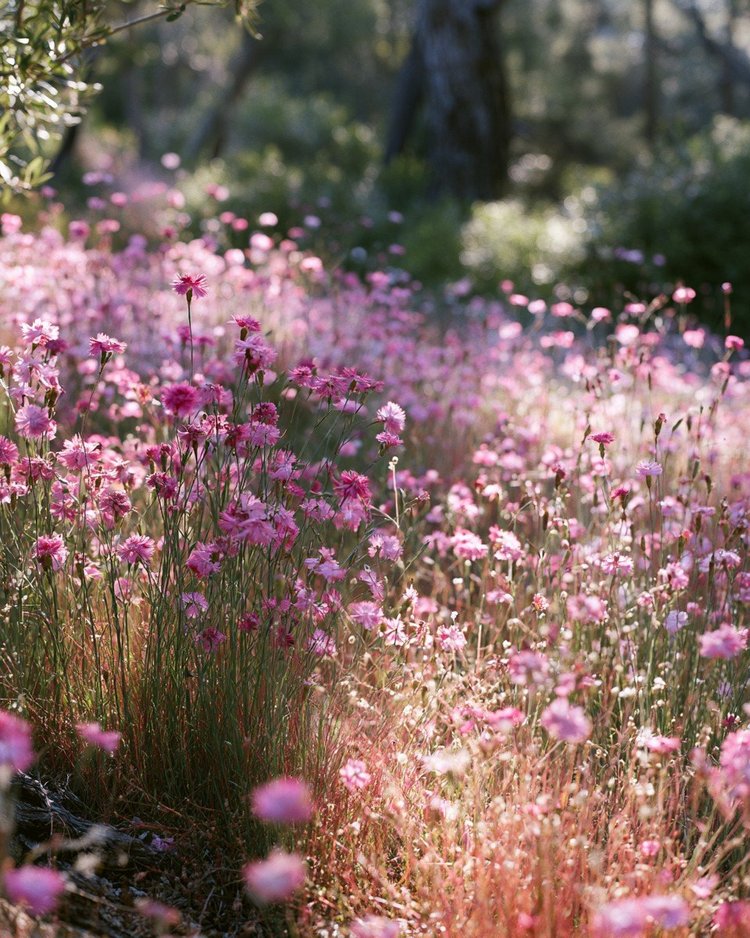
OriginThe old perfumer's carnation (Dianthus caryophyllus) is a spiced floral, its warmth shaped by the same clove-like compound found in the living flower. True carnation absolute is rare, so it is most often built as an accord of florals and warm spice.
In historyThe Greeks called the flower dianthus, the flower of the gods, and wove it into ceremonial crowns, a lineage some trace in the word coronation. In Renaissance portraits a held carnation spoke of betrothal, and the bloom has carried the language of love ever since.
Why it is preciousGenuine carnation absolute is almost never produced at scale, so a convincing carnation is a feat of composition, its value resting in the perfumer's hand.
In the bottlePeppery and clove-warmed over a soft floral body, it lends a composition an antique, spiced glow.
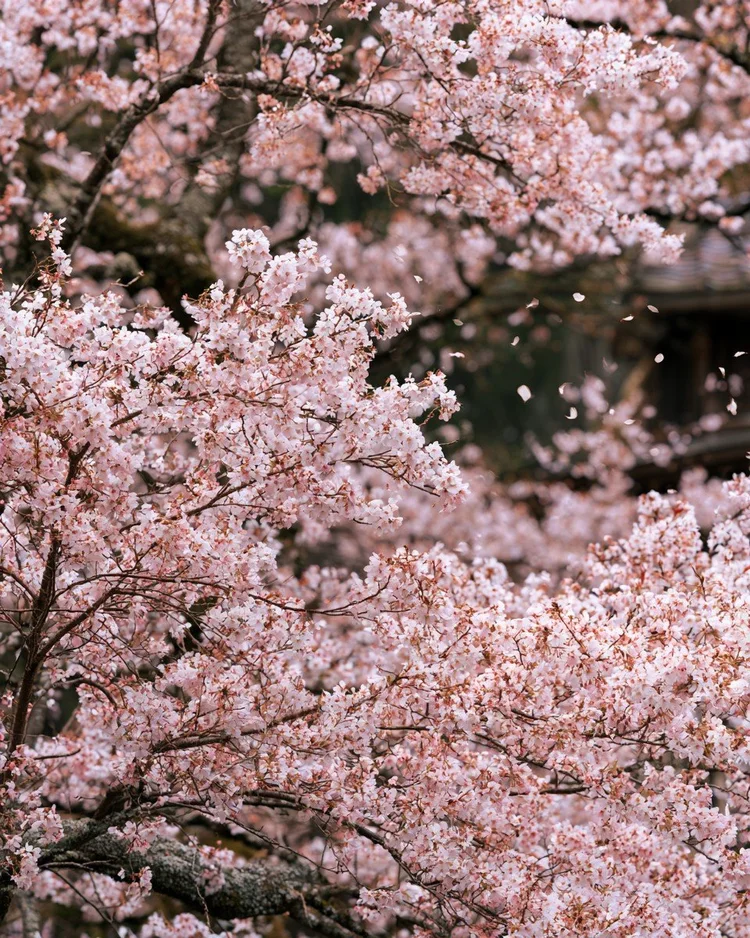
OriginThe blossom of the sakura (Prunus) holds almost no extractable scent, so cherry blossom in perfume is always an accord: a soft, powdery floral touched with almond and green stem.
In historyIn Japan the cherry blossom is beloved beyond almost any flower, gathered under each spring in the ritual of hanami. Its brief, falling bloom became a national emblem of beauty and impermanence, the very image of things treasured because they do not last.
Why it is preciousSince no honest material can be won from the flower, the whole of its worth lies in the craft of the accord, a quiet exercise in restraint.
In the bottleSoft, powdery, and green-almond, it lends a fleeting, springtime tenderness.
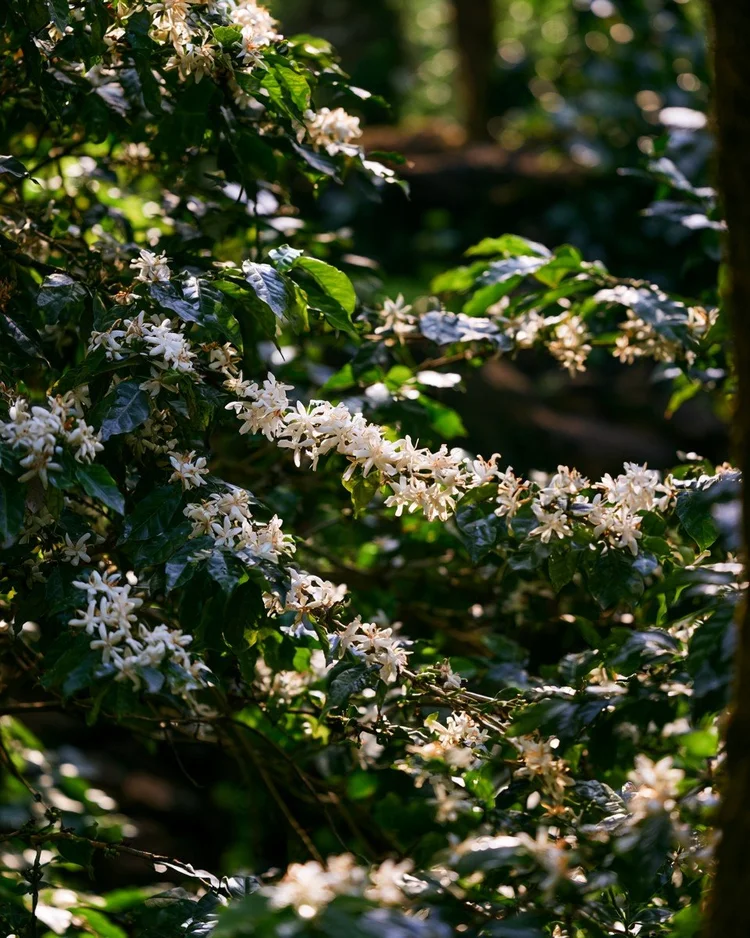
OriginBefore the bean there is the blossom. The coffee tree (Coffea) flowers briefly and fragrantly, close to jasmine and orange blossom in character, captured as a rare extract or built as an accord.
In historyOn the coffee farms of Ethiopia, Yemen, and the tropics, the flowering is a fleeting event, filling the air for only a few days before the petals fall and the cherries begin to set. Growers have long marked the bloom as the promise of the harvest to come.
Why it is preciousThe flowering is so brief and the material so rarely produced that coffee blossom remains an uncommon curiosity in the perfumer's cabinet.
In the bottleIt brings a honeyed, green-floral brightness, jasmine-like and clean, quite distinct from roasted coffee itself.
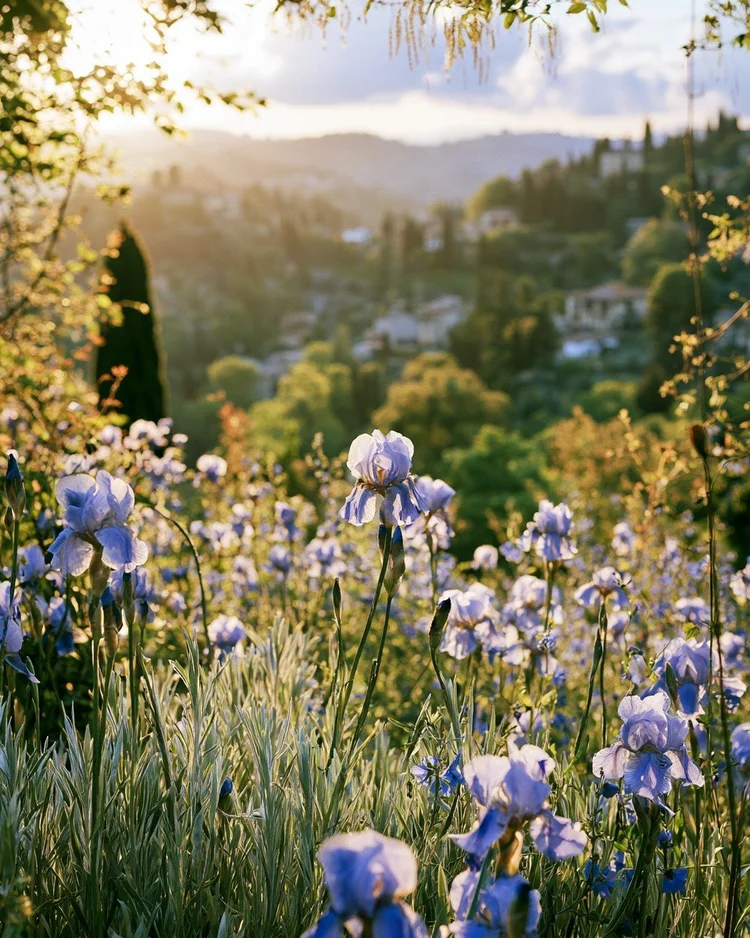
OriginOrris is drawn from the rhizome of the iris (Iris pallida) rather than its flower. The root is lifted, dried, and aged for several years before the scent can be won from it and distilled into a fragrant orris butter.
In historyThe iris root has scented Europe since antiquity, grown in the hills around Florence, where it lent its clean powder to hair, wigs, and fine linens and gave the city one of its old emblems. For centuries it was a staple of the perfumer and the apothecary alike.
Why it is preciousThe long wait of several years of aging, and the tiny yield of butter from a great weight of root, make orris one of the most precious materials in all of perfumery, dearer by measure than many metals.
In the bottleCool, powdery, and violet-toned with a suede softness, it lends a composition an aristocratic restraint and a silvery calm.
Citrus & Sparkling
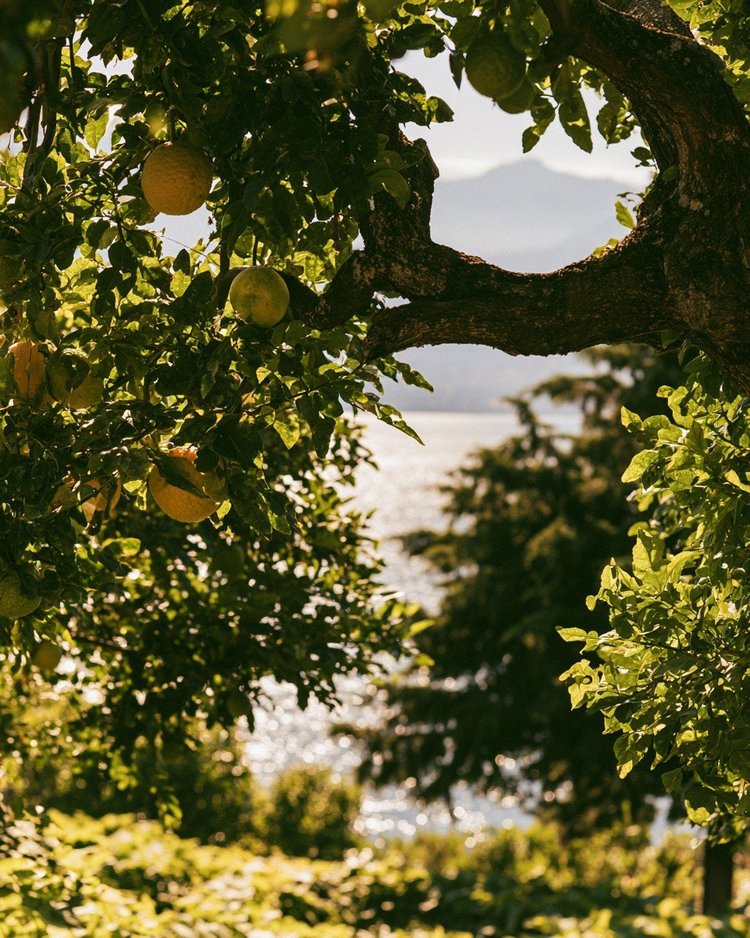
OriginCold-pressed from the rind of a small bitter citrus (Citrus bergamia) grown chiefly along the Calabrian coast of southern Italy, bergamot is the elegant sparkle at the top of countless classics.
In historyBergamot gave the original eau de cologne its lift in eighteenth-century Cologne and later flavored Earl Grey tea. Calabria's narrow coastal strip has held a near monopoly on the finest fruit for generations, and the oil has been a fixture of European perfumery ever since.
Why it is preciousThe finest bergamot is tied to one small region and a single season, and the delicate top note it gives cannot be fully mimicked, which keeps true Calabrian oil a prized opener.
In the bottleBright, floral, and softly bitter, it lifts an opening with refinement. Aged bergamot loses its sharpest edge and gains a warmer, resinous glow.
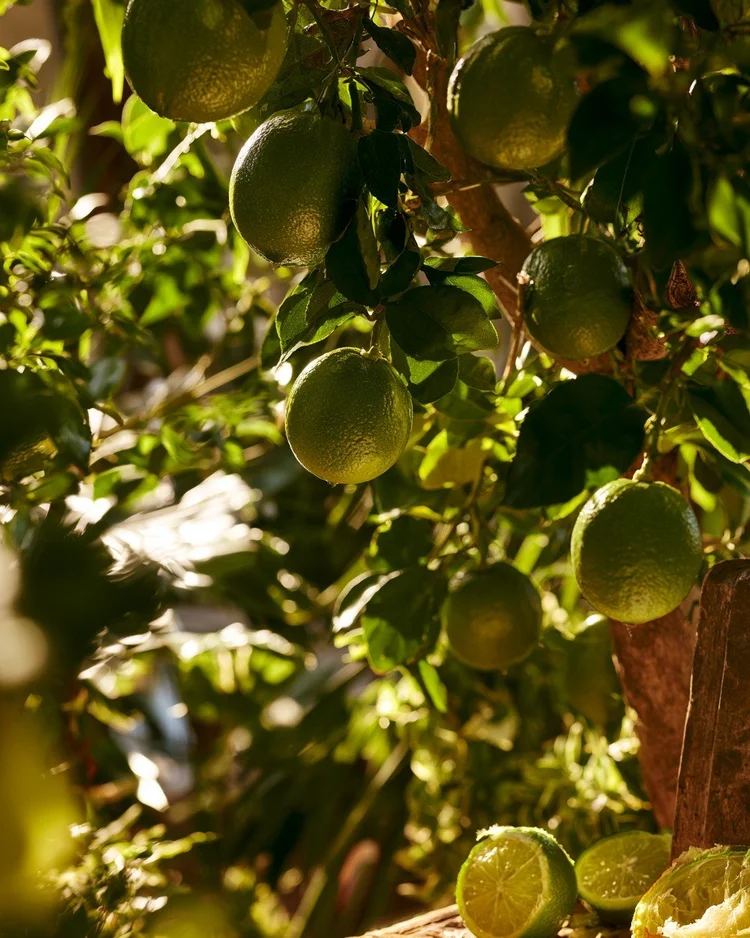
OriginPressed or distilled from the fruit rind (Citrus aurantiifolia), lime is the sharpest and most crystalline of the citruses. The expressed oil is green and true to the fresh fruit; the distilled oil is brighter and more candied.
In historyLime sailed the world with the British navy, whose sailors carried it against scurvy and earned the nickname limeys for their trouble. From the Caribbean to Persia its zest has flavored kitchens and cooled the air of hot climates for centuries.
Why it is preciousIts sparkle is fleeting and fragile, the mark of a fresh, well-kept oil, and the choice between expressed and distilled shapes a whole opening.
In the bottleElectric and effervescent, it brings a green lift to a top note and a cool contrast to the resins and woods below.
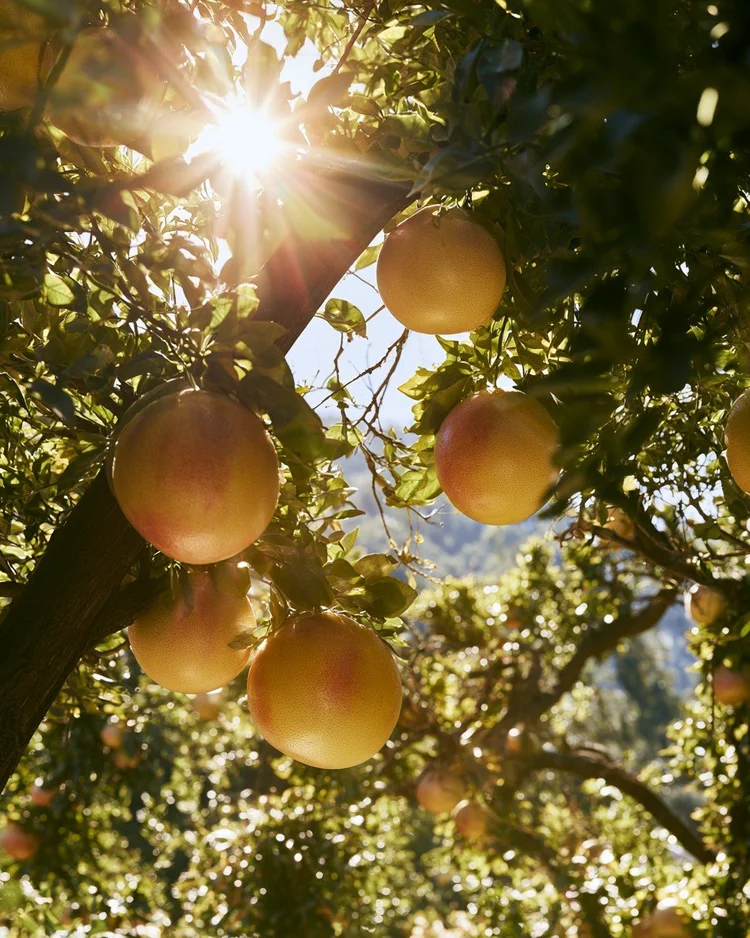
OriginCold-pressed from the peel (Citrus paradisi), grapefruit is rosy, bitter, and vivid, its signature trace of sulphur giving it a true-to-life juiciness.
In historyGrapefruit is a young citrus, born in the eighteenth-century Caribbean as a chance cross and first called the forbidden fruit of Barbados. It reached the perfumer's palette only in modern times, where its appetizing sparkle quickly found a place.
Why it is preciousThe peel yields little oil, and its bright top fades quickly, so a fresh, vivid grapefruit is the reward of careful pressing and careful keeping.
In the bottleRosy, bitter, and juicy, it lends an opening a modern, appetizing sparkle.
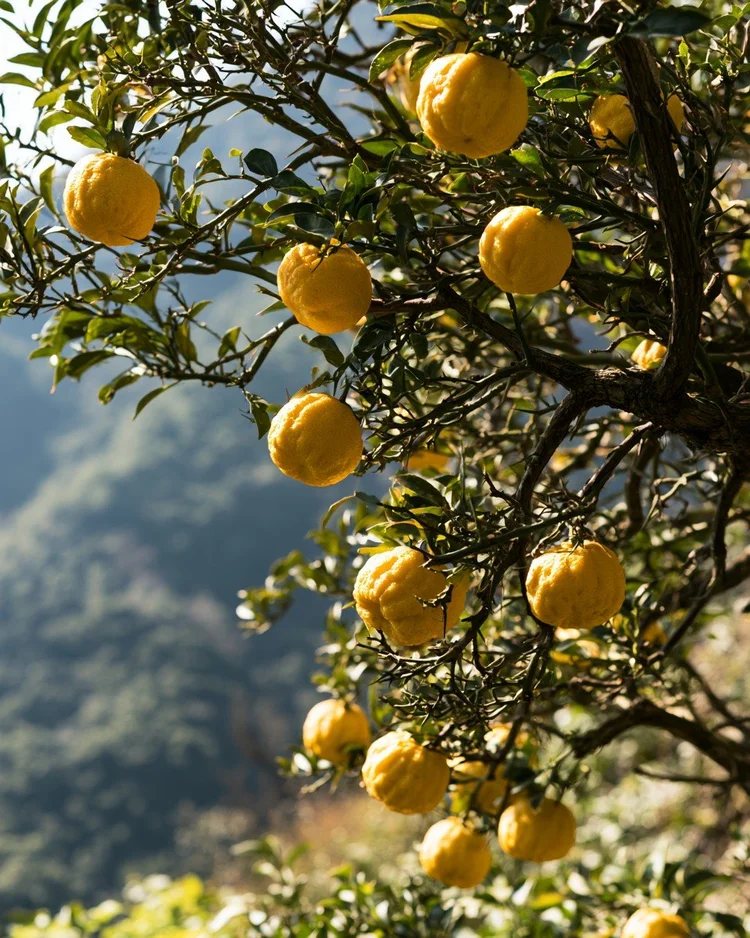
OriginPrized across Japan, yuzu (Citrus junos) is a fragrant, knobbled citrus with a scent poised between mandarin, lemon, and grapefruit and a clean floral edge, cold-pressed or distilled from the rind.
In historyYuzu has flavored Japanese and Korean cooking for centuries, and on the winter solstice its whole fruits are floated in a hot yuzu-yu bath, a custom held to ward off illness and welcome the turning year.
Why it is preciousGenuine yuzu oil is scarce and costly, since much of the harvest goes to the kitchen and little to distillation, and true oil is easily confused with reconstructions.
In the bottleBright, elegant, and almost frosted, it gives an opening a cool, refined lift.
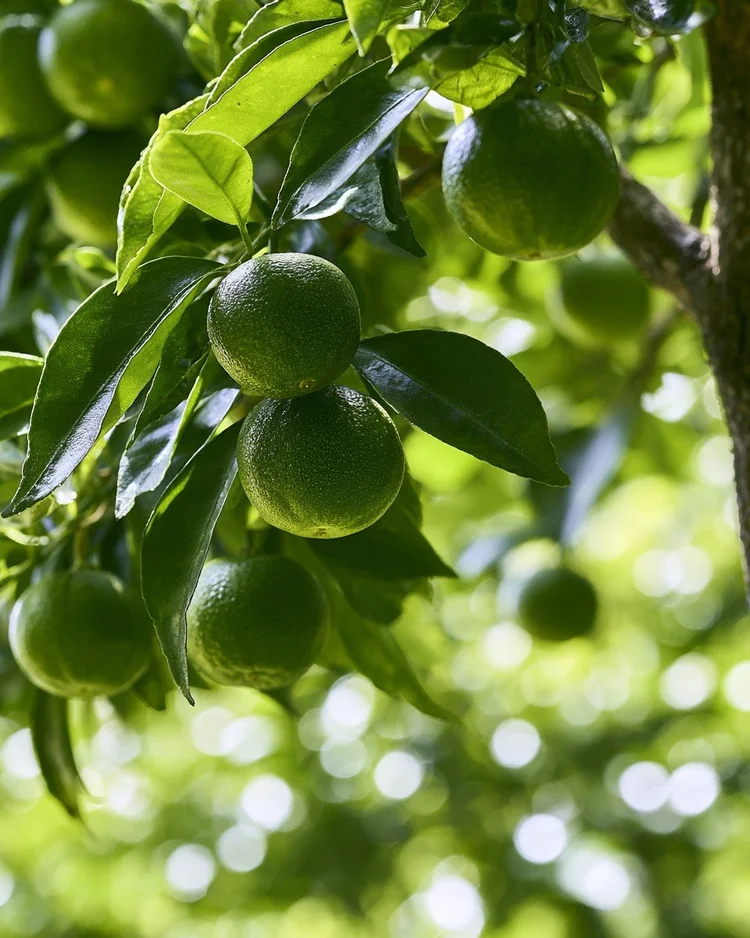
OriginA green citrus from Tokushima in Japan (Citrus sudachi), picked unripe for its keen, herbaceous zest and pressed while still small and dark.
In historySudachi is a point of pride in Tokushima, where it has been squeezed over fish, noodles, and sake for generations. Almost the whole of the crop still comes from that one prefecture, tying the fruit closely to its home ground.
Why it is preciousGrown in one small region and produced in modest quantity, sudachi oil is an uncommon material outside Japan.
In the bottleSharper and more savory than lime, it gives a composition a fresh, cool-green opening.
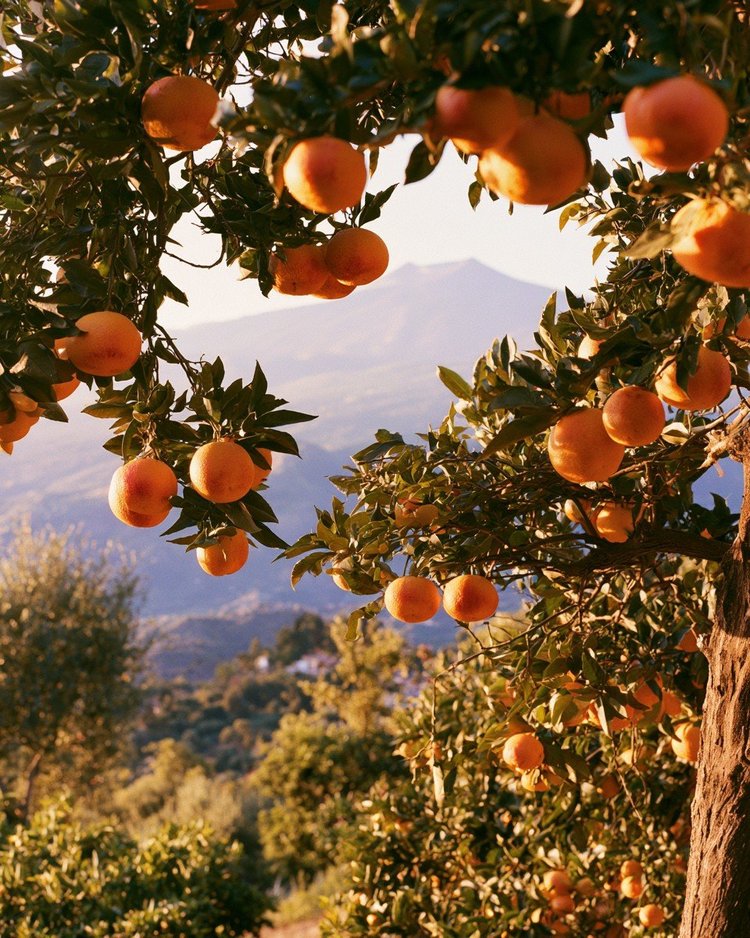
OriginThe dark-fleshed orange of Sicily (Citrus sinensis, in cultivars such as Tarocco, Moro, and Sanguinello), cold-pressed for a citrus rounder and redder than the sweet orange, with a hint of ripe berry.
In historyThe blood orange owes its crimson flesh to the cold nights of the Etna foothills, where the volcano's shadow deepens the fruit's color each winter. Sicily has grown these prized oranges for centuries and guards their reputation still.
Why it is preciousIts color and its jammy warmth depend on a particular soil and season, which ties the finest fruit to Sicily and a narrow window of the year.
In the bottleSweet, tart, and glowing, it gives an opening a warm, ripe sweetness.
Herbs, Spices & Greens
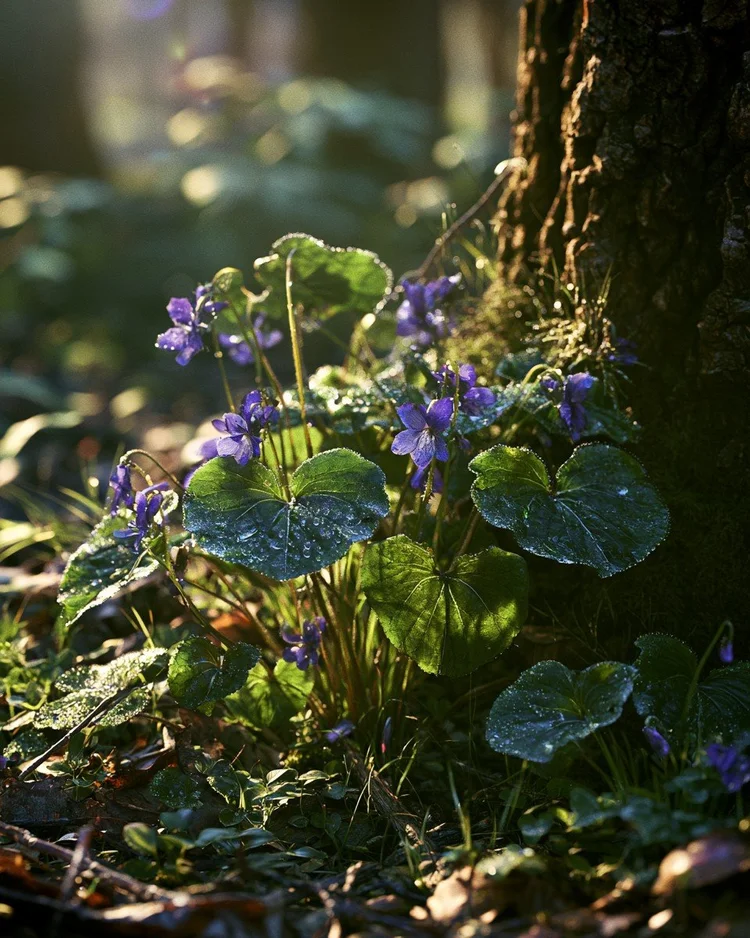
OriginViolet leaf absolute is extracted from the foliage of Viola odorata rather than the bloom, giving a sharp green scent of cut stems, cucumber, and cool earth.
In historyThe violet was the emblem of ancient Athens and later the favored flower of Napoleon, who took it as a personal symbol. Where the flower spoke of sweetness and modesty, the leaf came to perfumery for its shaded, green freshness.
Why it is preciousThe leaf yields only a small measure of absolute, and its cool, watery green is difficult to render truly, which keeps it a valued material.
In the bottleDewy and shaded, faintly metallic, it sets off florals and woods alike with a green, watercolour freshness.
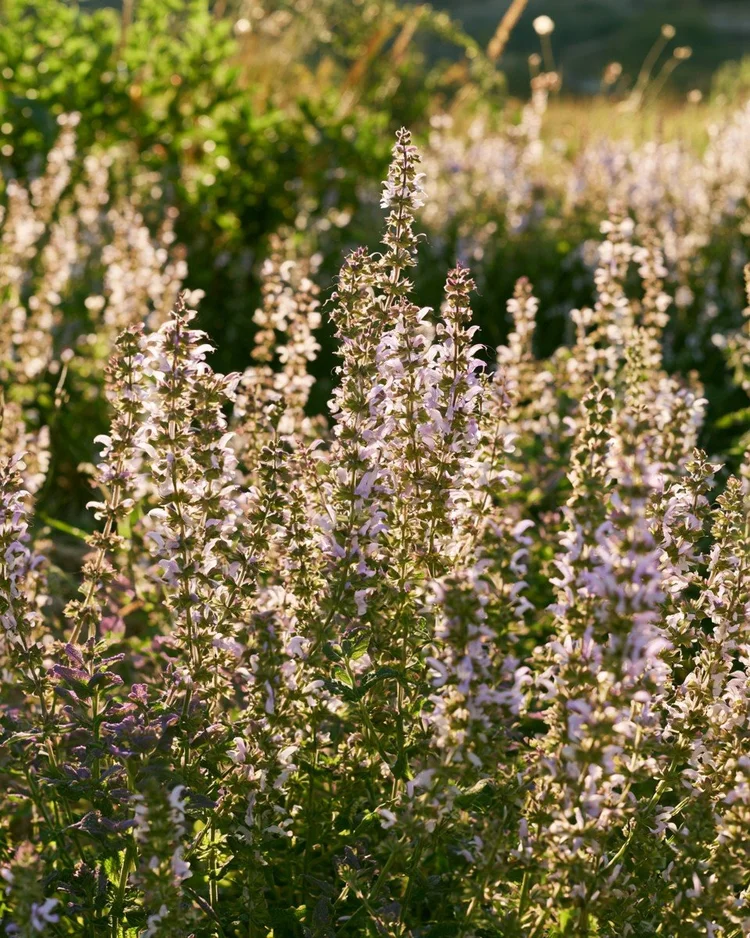
OriginDistilled from Salvia sclarea, clary sage carries a naturally amber-musk quality alongside its herbal green.
In historyIts old name comes from the Latin for clear, as its mucilaginous seeds were once used to wash grit from the eye. Vintners added the herb to fortify muscatel wines, and herbalists prized it for centuries before perfumers turned to it.
Why it is preciousBeyond its scent, clary sage yields sclareol, the natural starting point for a whole family of amber materials, which gives the humble herb a quiet importance.
In the bottleIt bridges bright tops and warm bases with a soft, sunlit sweetness and a whisper of hay.
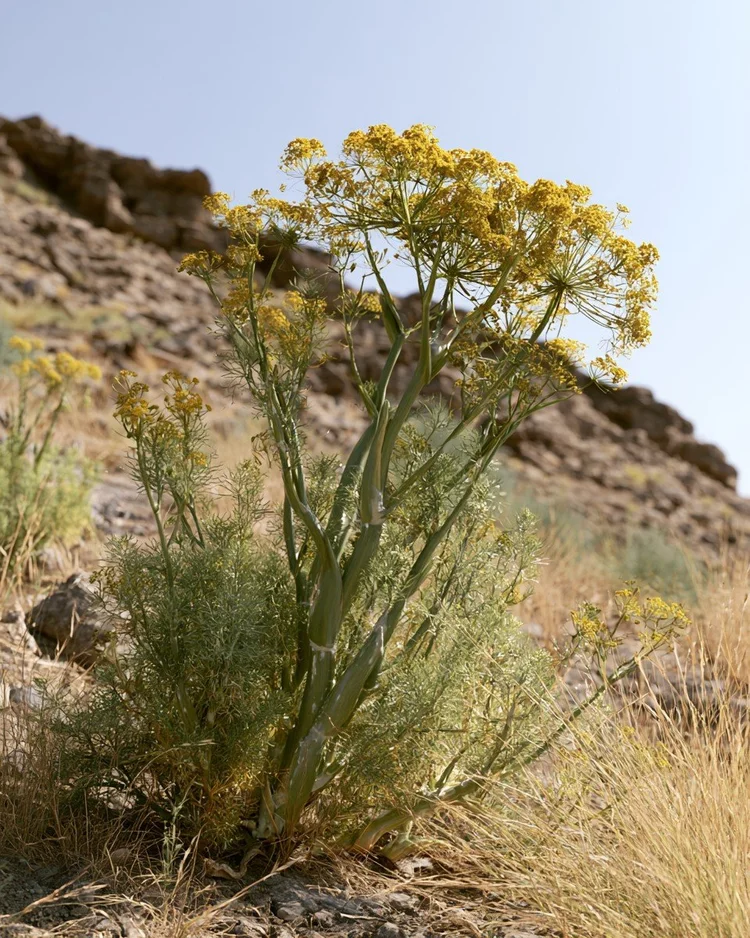
OriginGalbanum is a gum resin from a Persian fennel relative (Ferula gummosa), intensely green and bitter, almost sharp enough to sting.
In historyThe resin is ancient, named in the Book of Exodus among the four spices of the sacred temple incense, and burned in the rites of Egypt and the Near East. It has scented worship for thousands of years.
Why it is preciousIts green is the most concentrated in the whole palette, so a very small amount does the work of a great deal, and true galbanum resinoid remains a specialist material.
In the bottleA drop casts a cold, verdant shadow that makes florals bloom sharper and cleaner.
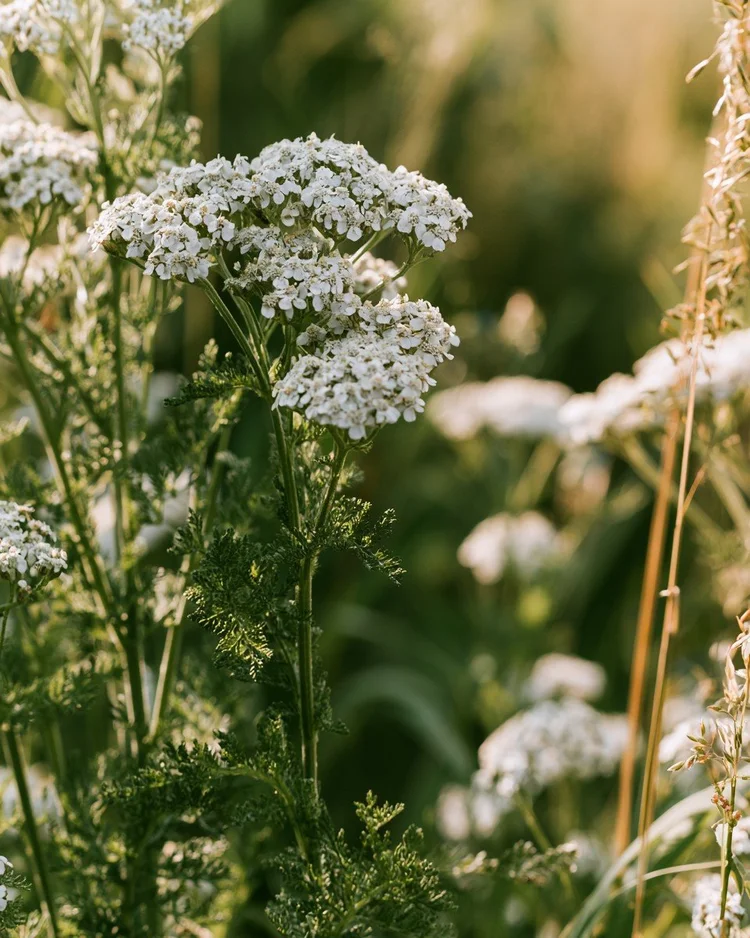
OriginYarrow (Achillea millefolium) distills to a striking blue oil, colored by the same azulene that turns chamomile blue in the still.
In historyThe plant carries the name of Achilles, who was said to staunch his soldiers' wounds with its leaves, and it served as a battlefield herb for centuries. In ancient China its dried stalks were cast to read the I Ching.
Why it is preciousThe deep blue oil forms only through distillation and in modest yield, making a true azulene-rich yarrow an uncommon and beautiful material.
In the bottleHerbaceous and softly sweet with a cool, medicinal calm, it lends a green, contemplative quiet.
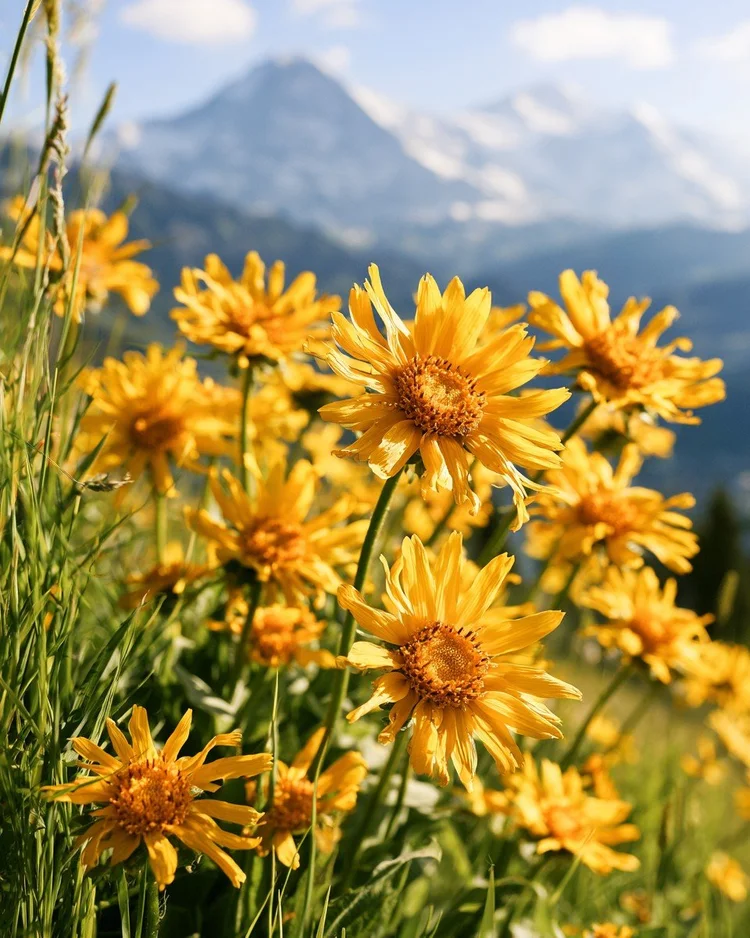
OriginArnica absolute comes from the golden alpine flower (Arnica montana), long gathered from high mountain meadows.
In historyKnown as mountain tobacco and long used in old remedies for bruises and aches, arnica has a lore of healing that stretches back through European folk medicine. Wild stands are now protected in parts of its range, so cultivation and careful gathering matter.
Why it is preciousGenuine arnica absolute is uncommon, and pressure on wild populations makes responsibly grown material the honest choice.
In the bottleDry and herbal-honey warm, with a whisper of hay and chamomile.
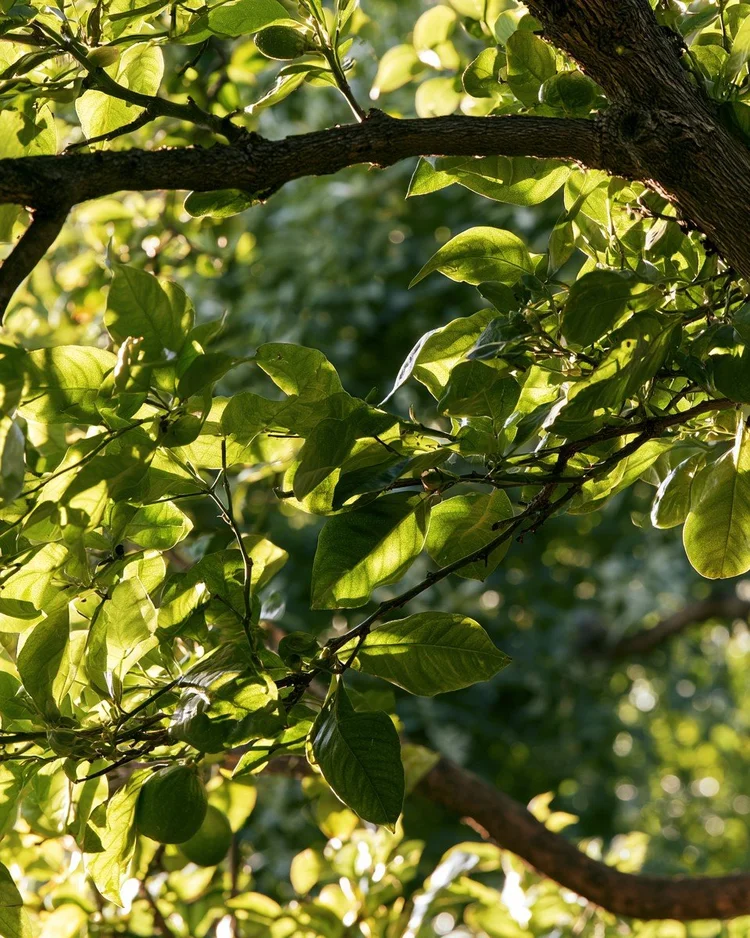
OriginWhere neroli comes from the blossom, petitgrain is distilled from the leaves and twigs of the same bitter orange tree, fresh, green, and gently bitter with an orange-flower echo.
In historyThe name means little grain, from the old practice of distilling the tiny unripe fruits before growers turned to the more plentiful leaves. Much of the classic oil came to be produced in Paraguay, and it has long given the eau de cologne its crisp green heart.
Why it is preciousIt offers the orange tree's aromatic soul at a gentler cost than neroli, and a fine petitgrain bigarade remains a considered, characterful material.
In the bottleA crisp bridge from citrus into the heart, green and lightly floral.
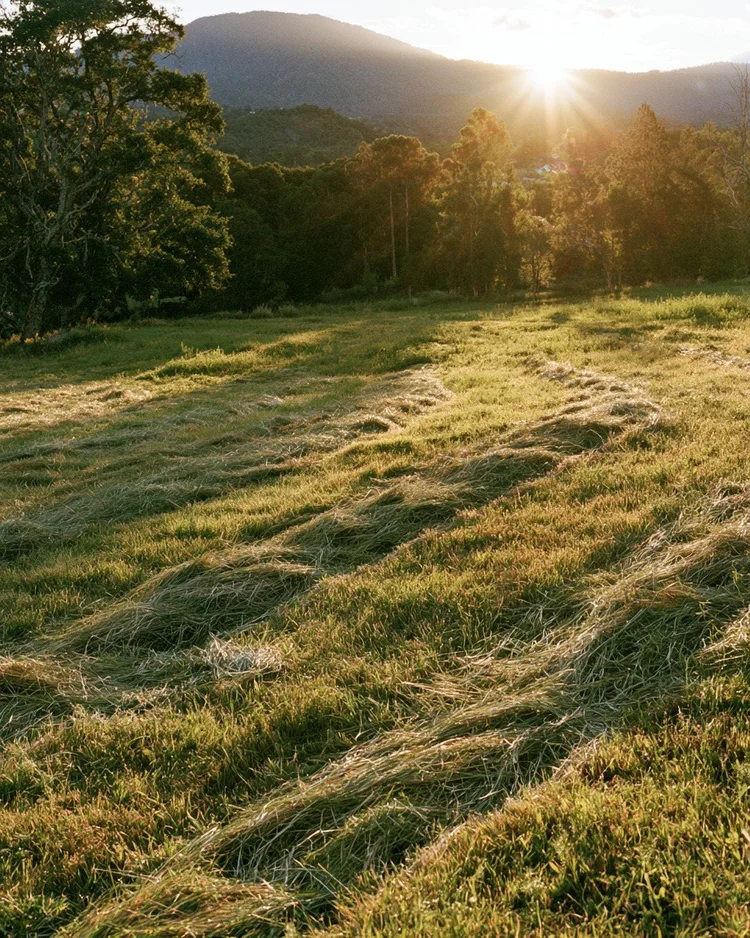
OriginHay absolute captures the scent of dried summer grasses, warm and softly sweet from the natural coumarin that forms as they cure.
In historyThe smell of drying hay is the smell of the old agricultural year, and coumarin, the compound behind it, was among the first aroma materials ever isolated, opening the modern age of perfumery in the late nineteenth century.
Why it is preciousA true hay absolute holds a nostalgic, pastoral depth that reconstructions rarely match, giving the natural a quiet value.
In the bottleGolden, dry, and softly sweet, with a tobacco-adjacent warmth that grounds a base.
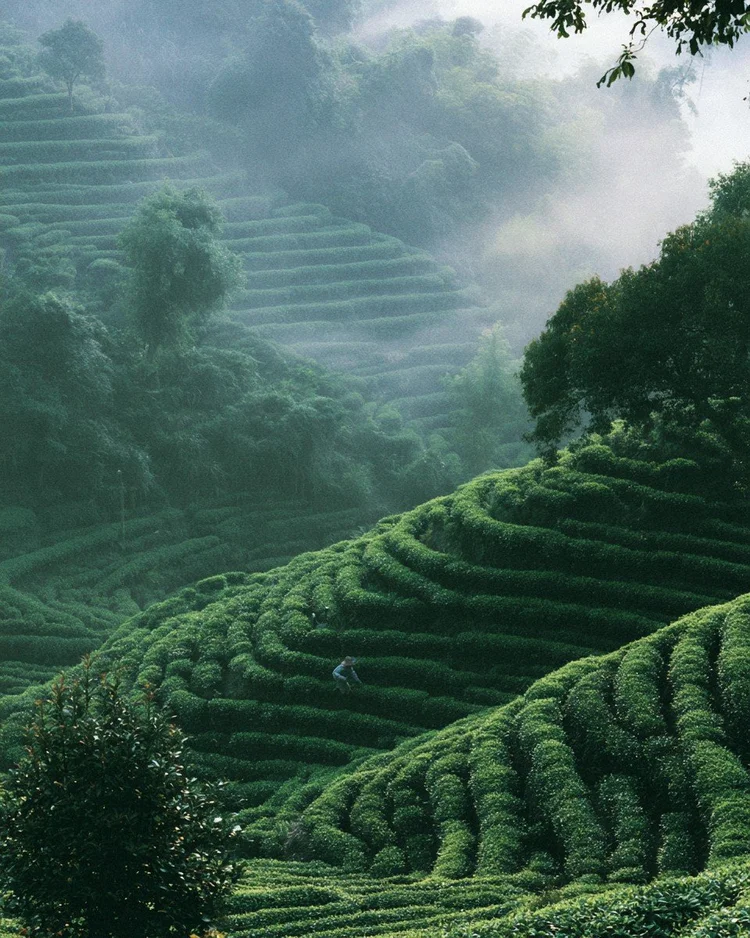
OriginGreen tea (Camellia sinensis) reaches perfume as an extract or a carefully built accord, giving a cool, meditative freshness, faintly bitter and vegetal.
In historyTea has been drunk in China for well over a thousand years and raised to ceremony in Japan, where the making and sharing of the cup became an art of stillness and attention. That quiet spirit is what perfume borrows from it.
Why it is preciousA convincing tea note asks for a deft hand, since the living freshness of the leaf is delicate and easily lost.
In the bottleIt brings clarity and calm to an opening or a heart.
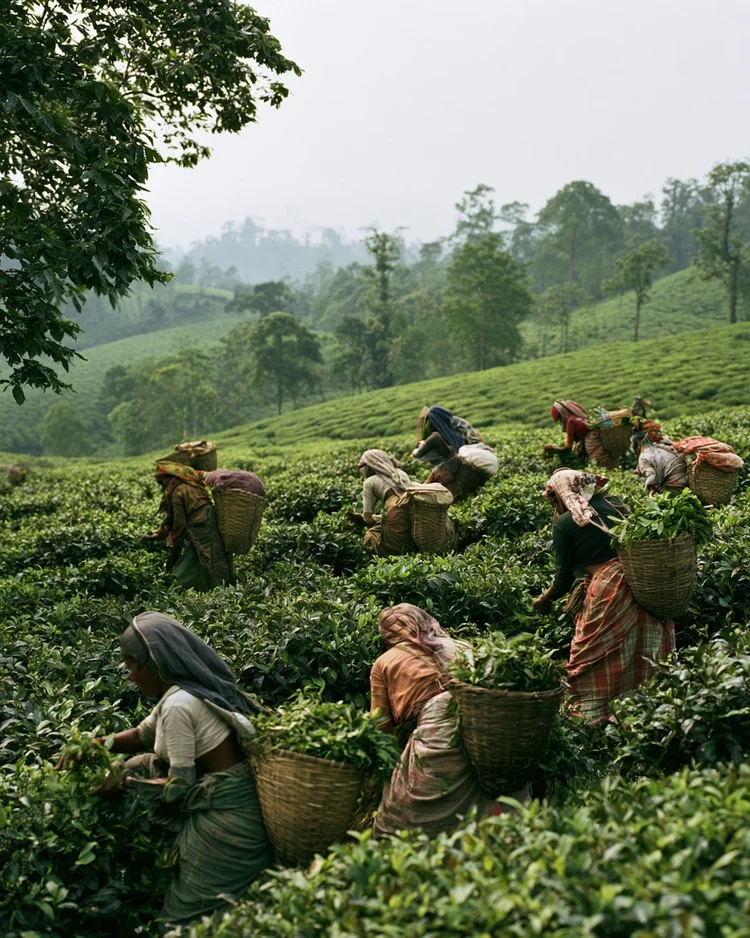
OriginBlack tea in perfume is a warm, tannic accord, dry and faintly smoky with a leathery amber calm, drawn from the fully oxidized leaf.
In historyThe black teas of Assam and Ceylon were the engine of a vast global trade, carried by clipper ship and caravan and woven into the daily ritual of half the world. Their darker, fuller character is the memory of that long oxidation.
Why it is preciousIts contemplative, lived-in depth rewards a careful accord, holding warmth without turning sweet.
In the bottleIt grounds a heart with a leathery, tannic quiet.
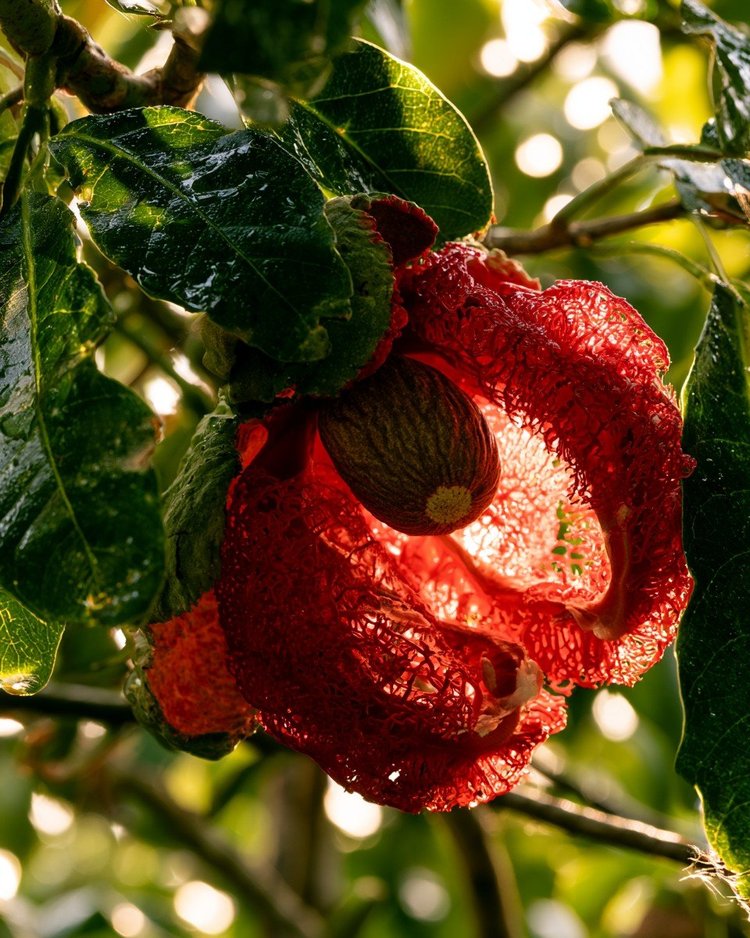
OriginDistilled from the seed of an Indonesian tree (Myristica fragrans), nutmeg is a soft, warm spice with a sweet, slightly dizzying edge.
In historyFor centuries nutmeg grew only on the Banda Islands of the Moluccas, and control of that tiny archipelago was fought over so bitterly that the Dutch once traded away Manhattan to secure it. A handful of the spice could once buy a house.
Why it is preciousThat storied past still clings to it, and a fresh, well-distilled nutmeg holds a warmth and a faint narcotic sweetness that cheaper material loses.
In the bottleIt adds glow and comfort to a spiced or woody heart.
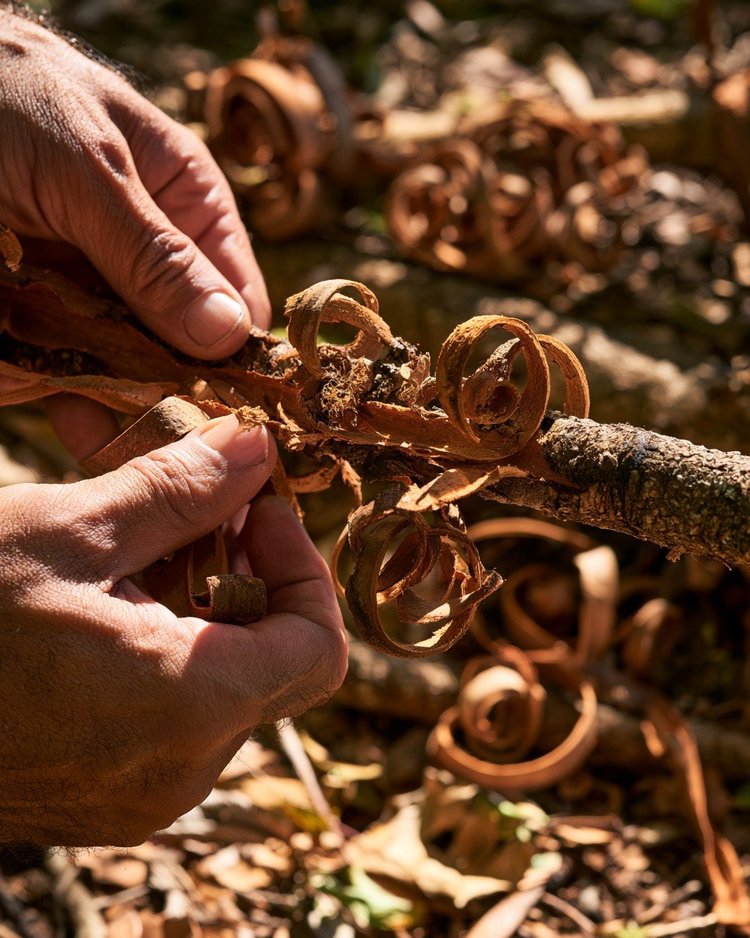
OriginDistilled from the bark of the cinnamon tree (Cinnamomum verum), most famously from Sri Lanka, this is a fiery, sweet spice that brings heat and richness.
In historyCinnamon was among the most coveted spices of the ancient world, carried in secrecy from the East, used by the Egyptians in embalming and by the Romans as an incense worth more than silver. Its true source was hidden for centuries behind traders' tall tales.
Why it is preciousBark oil is potent and, being a known skin sensitizer, is used with restraint under fragrance guidelines, so a little is measured out with care.
In the bottleUsed carefully, it lends a composition a glowing, ceremonial warmth.
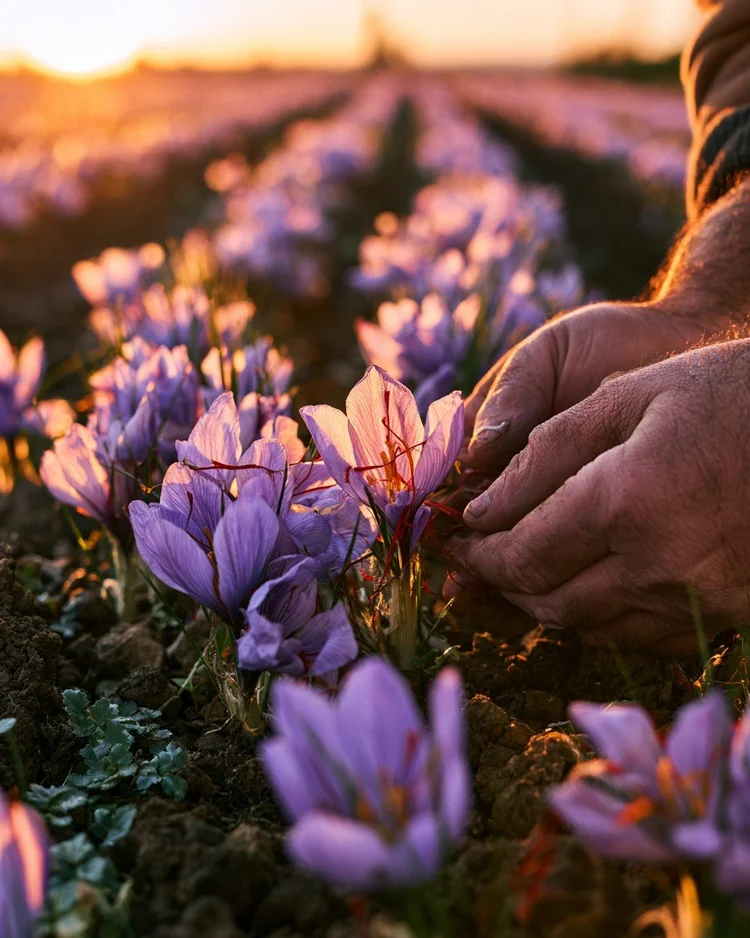
OriginSaffron is the hand-picked stigma of a crocus (Crocus sativus), and it takes many thousands of flowers to gather a single ounce, each thread lifted by hand at dawn.
In historySaffron has been treasured since antiquity, painted on the walls of Minoan Crete, traded along the Silk Road, and used to dye the robes of kings and monks. From Persia to Kashmir to La Mancha it has been the spice of luxury and of medicine both.
Why it is preciousIts punishing hand-harvest makes saffron outweigh gold by measure, the single most expensive spice in the world, so even in trace it is a statement.
In the bottleA warm, leathery-honeyed radiance that pairs naturally with oud and rose. Because the raw spice is so dear, its character often reaches a composition through a saffron extract or a disclosed accord.
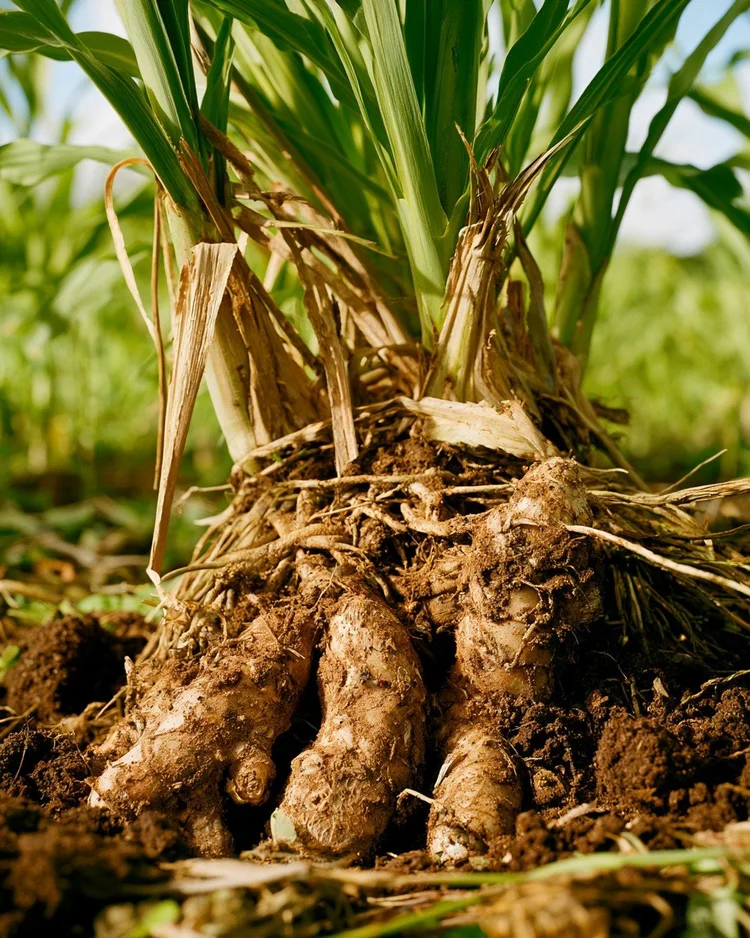
OriginSteam-distilled or gently extracted from the rhizome (Zingiber officinale), ginger is bright and zesty at first, with a warm, spicy-earthy body. A fresh CO2 extract reads truest to the living root.
In historyGinger has moved along trade routes for thousands of years, valued from China to Rome as spice, medicine, and preservative, and so prized in the Middle Ages that it kept its place among the great caravan goods.
Why it is preciousThe lively top of fresh ginger is fragile, so a bright, true material is the reward of careful extraction.
In the bottleIt adds sparkle and lift to an opening or a spiced heart.
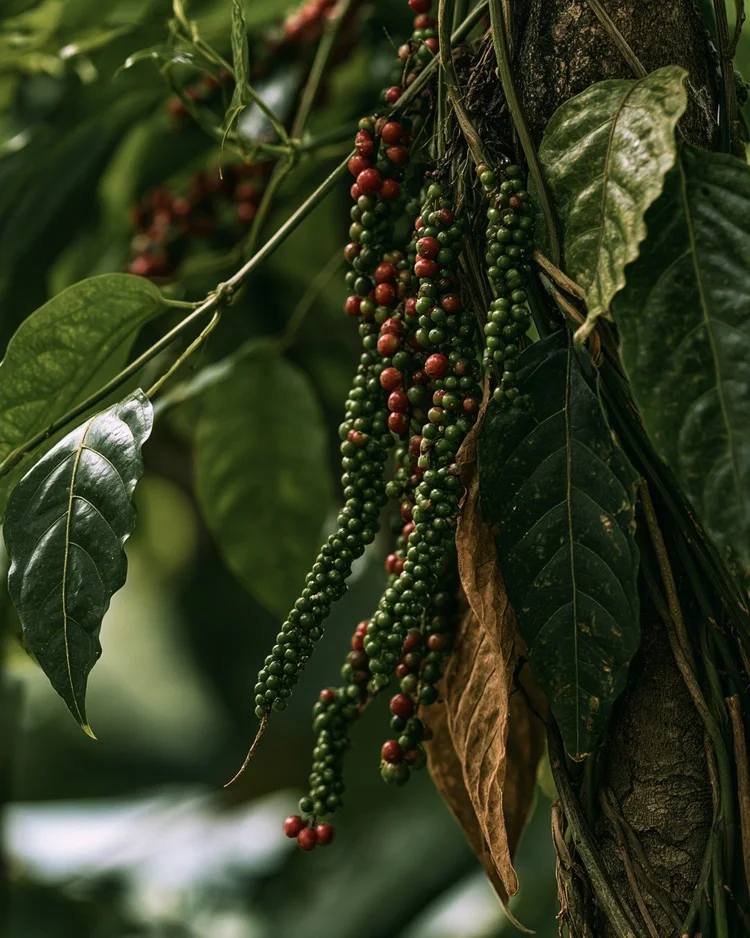
OriginDistilled or extracted from the dried peppercorn (Piper nigrum), much of the finest from the Malabar coast of India, black pepper gives a dry, crackling warmth and a lively spark.
In historyPepper was the black gold that drove the spice trade, hoarded in Roman storehouses and counted out coin by coin, so valued that rents and ransoms were once paid in it. The search for it helped launch the age of exploration.
Why it is preciousA fresh, sparkling pepper oil holds a lift and a woody nuance that dull material loses, rewarding good sourcing.
In the bottleIt sharpens an opening and lends spice and energy to a heart.
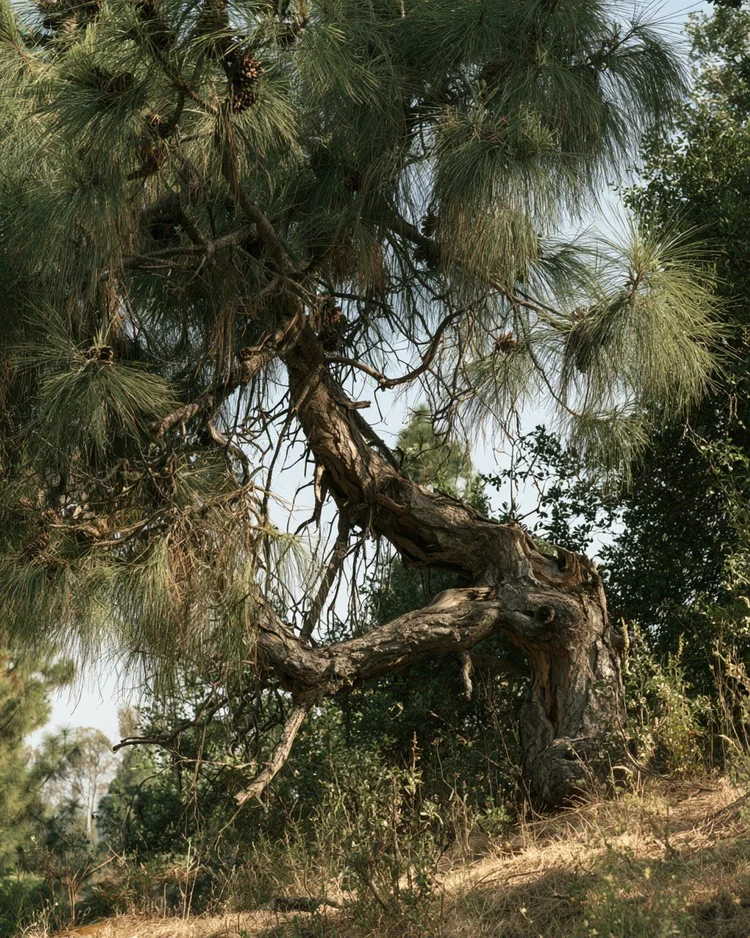
OriginA pine note drawn from needles and resin, grey pine is crisp, dry, and quietly resinous, the scent of cold air moving through evergreens.
In historyPine has meant clean air and shelter for as long as people have walked in forests, its resin tapped for pitch and its boughs burned for a bright, purifying smoke across many cultures.
Why it is preciousA dry, airy pine that reads as true forest rather than household cleaner is a matter of careful material and careful dosing.
In the bottleIt opens a composition with clean forest light.
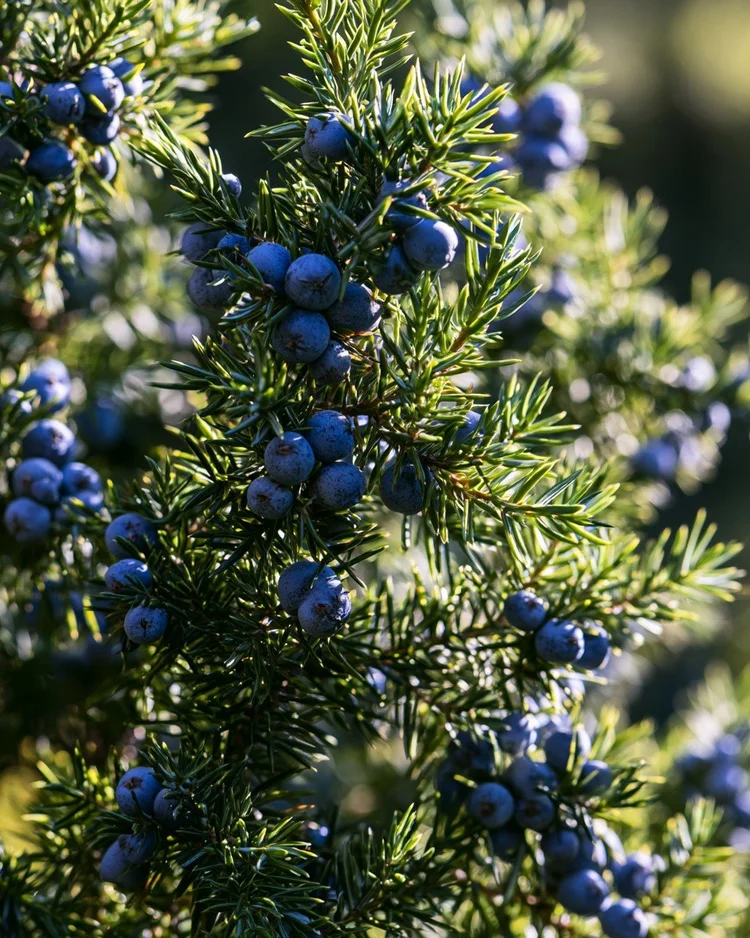
OriginDistilled from the berries and wood of the juniper (Juniperus communis), this is the bracing blue-green scent at the heart of gin. Utah juniper, from the high desert, reads drier and more austerely woody.
In historyJuniper smoke was burned to purify sickrooms and temples from the Scottish Highlands to the American Southwest, and its berries flavored the medicinal spirit that became gin. It has long stood as a plant of cleansing and protection.
Why it is preciousThe berries must be hand-gathered and give a modest yield, and a clean, spiritous juniper is a distinctive material.
In the bottleBoth forms bring a clean, spiritous freshness, one alpine and blue, the other dry and desert-woody.

OriginSiberian fir needle oil (Abies sibirica) is crisp and cold, all fresh evergreen. Balsam fir absolute (Abies balsamea) is its darker sibling, a thick, sweet, resinous pool with a jammy warmth.
In historyThe fir is the tree of midwinter, brought indoors and lit against the dark long before it became the Christmas tree, its green a promise of returning life in the coldest months.
Why it is preciousThe rich balsam absolute is the slower, rarer form, capturing the sap where the needle oil captures the air.
In the bottleTogether they render a forest from bright canopy to deep sap.
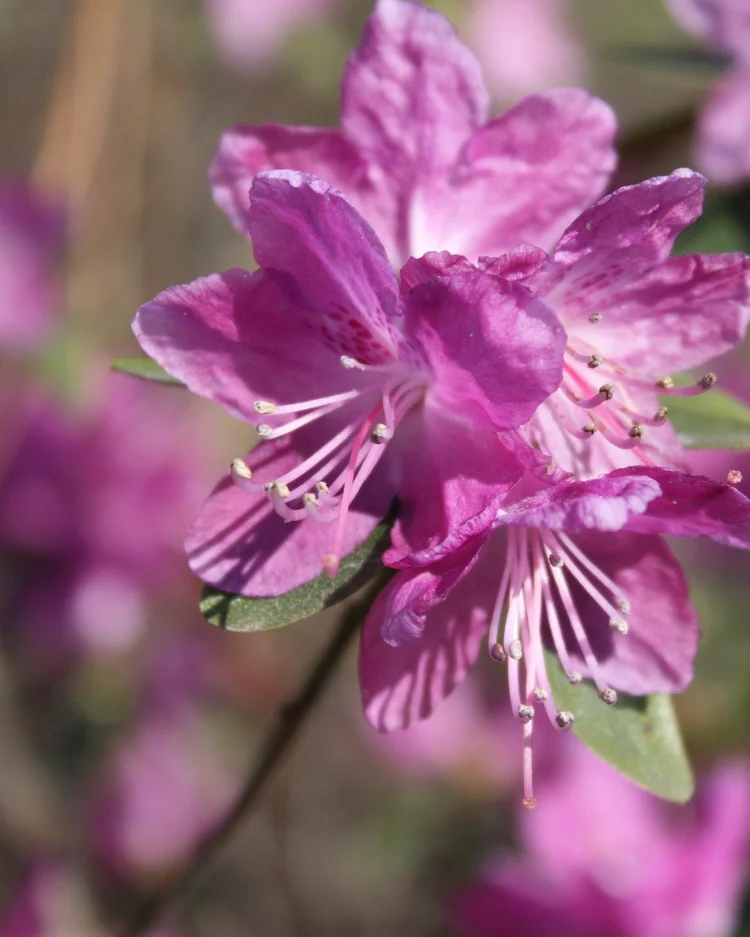
OriginDistilled from a hardy mountain rhododendron of Siberia and central Asia, this uncommon material is herbaceous and lightly fruity with a cool, resinous edge.
In historyIn its homelands the dried leaves are steeped into a fragrant, warming tea, long carried by herders and hunters as a stimulant against the cold and the thin mountain air.
Why it is preciousGrown wild in remote high country and rarely distilled, it is a scarce and characterful oil.
In the bottleIt brings a wild, high-altitude freshness to a heart.
Woods

OriginSandalwood oil comes from the fragrant heartwood of Santalum album. Ours is Indonesian, a select CO2 extract drawn from logs estimated at around fifty years of age, running near seventy percent santalol. Mysore is the name everyone knows. It is not where this came from, and we would rather tell you where it did.
In historySandalwood runs through the ritual life of India and much of Asia, ground into paste for the brow, burned as temple incense, carried in Ayurvedic medicine, and laid on the funeral pyre to carry the departed onward. It has been a sacred wood for thousands of years.
Why it is preciousThe scent lives only in the mature core of the tree, and there is no way to hurry it. Fifty years pass before a log is worth cutting. Old-growth Mysore stock is now strictly controlled and effectively closed to new buyers, which is why the finest working sandalwood has moved to Indonesia and Australia.
In the bottleWarm, creamy, and buttery, opening with a candied lemon-orange brightness and a faint gourmand edge close to bran and fresh dough. Underneath it runs clean and musky, closer to warm skin than to a wood. It rounds sharp edges and gives a base its glow.
SourcingSantalum album, Indonesia. CO2 select extract, roughly seventy percent santalol, from logs estimated at around fifty years.
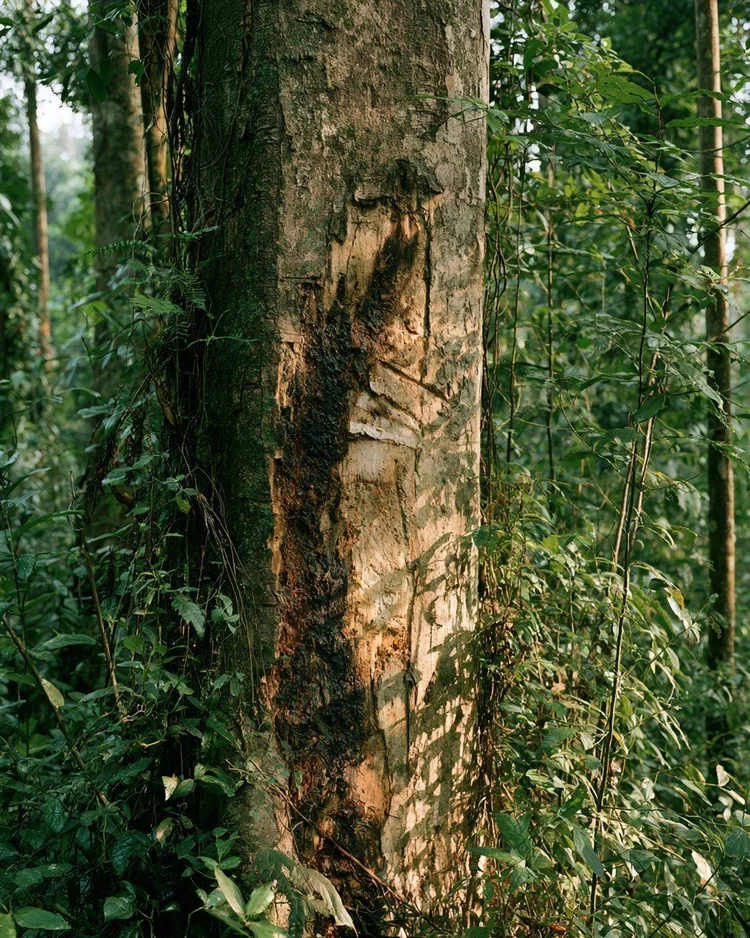
OriginOud forms when an Aquilaria tree is wounded and, over years, floods the injury with dark fragrant resin as a defense. That infected heartwood is distilled into oud oil. Ours is Aquilaria agallocha from the border country where the Indian state of Meghalaya meets Sylhet in Bangladesh.
In historyAgarwood is one of the oldest treasured aromatics on earth, named in ancient scriptures and traded across the East for millennia. It is central to the Arabian tradition, where oud oil and chips perfume skin and gatherings, and to the Japanese art of kōdō, the ceremonial listening to incense.
Why it is preciousWild agarwood is so sought after and so slow to form that it has grown genuinely scarce, and true oud can cost more by weight than gold. A note on the word wild. Ours is jungle-grown, which means human hands were involved before the tree was ever felled. Seedlings planted out in the jungle, competing trees thinned so the soil and light go further, then the bark deliberately cut so the tree's own defense begins. Plenty of houses would sell that as wild oud. It would read better on a label. It is not what happened, so we call it jungle-grown.
In the bottleMeghalayan oud sits in a rare place, animalic without being offensive. It opens barnyard, woodsmoke, and civet-warm, then settles within the hour into castoreum and something close to aged nagarmotha, musty and dry and rooty. Across a long wear it moves through leather, hot slate, dry straw, tamarind, and oriental tobacco, with a gourmand edge of chestnut and caramel underneath.
SourcingAquilaria agallocha, India, from the Meghalaya and Sylhet border country. Jungle-grown rather than wild.
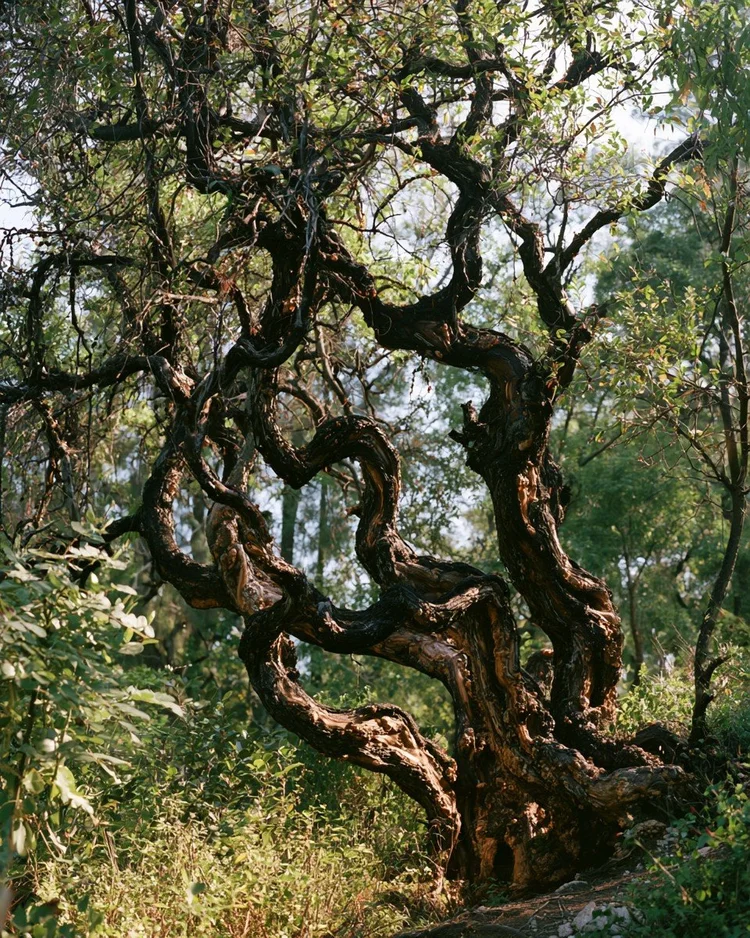
OriginDistilled from a Haitian tree (Amyris balsamifera), amyris gives a mild, sweet, woody scent reminiscent of sandalwood.
In historyThe wood is so rich in resin that it burns like a torch, which earned it the old names candlewood and torchwood, cut and lit for light long before it was distilled for scent.
Why it is preciousIt offers a soft, sandalwood-adjacent creaminess at a gentler cost than true sandalwood, a useful and honest material in its own right.
In the bottleIt lends a base a soft, warm creaminess and helps carry other woods.
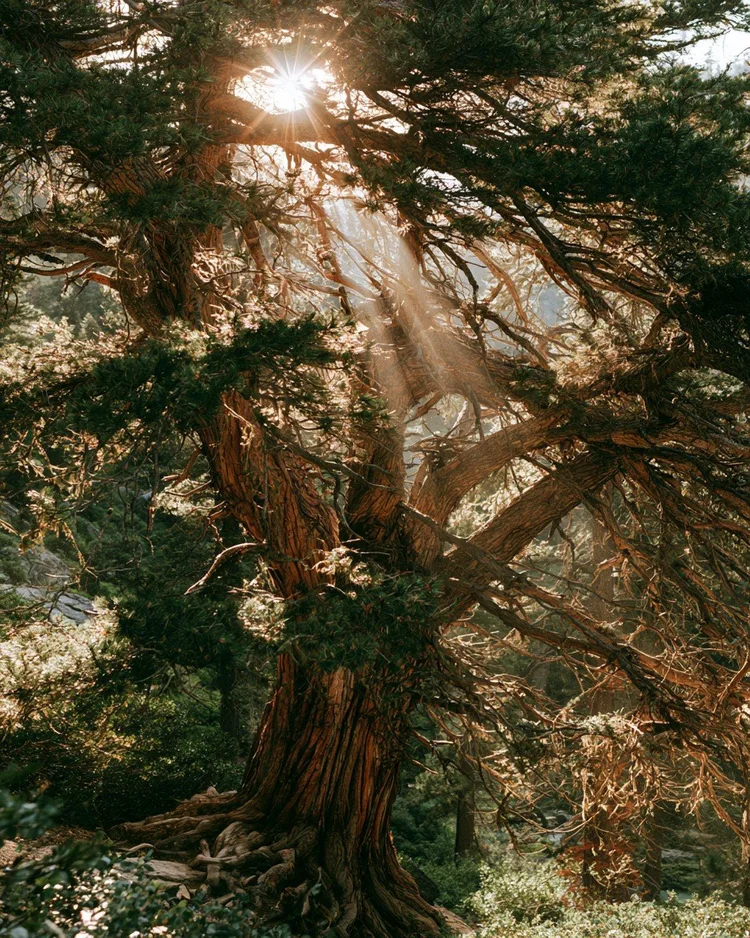
OriginTwo woods share the name. Virginian cedar (Juniperus virginiana) is in truth a red juniper, dry and pencil-sharp; Siberian cedar is a pine, softer, resinous, and nutty.
In historyThe great cedar of Lebanon, cousin to these, roofed Solomon's temple and carried the ships and coffins of the ancient world, a wood so prized it appears in the oldest written epic. Cedar has stood for strength and incorruptibility across many cultures.
Why it is preciousCedar is the dependable backbone of the woody palette, and a clean, well-distilled oil gives structure that a composition can be built upon.
In the bottleA clean, structural woodiness that gives a base its backbone.
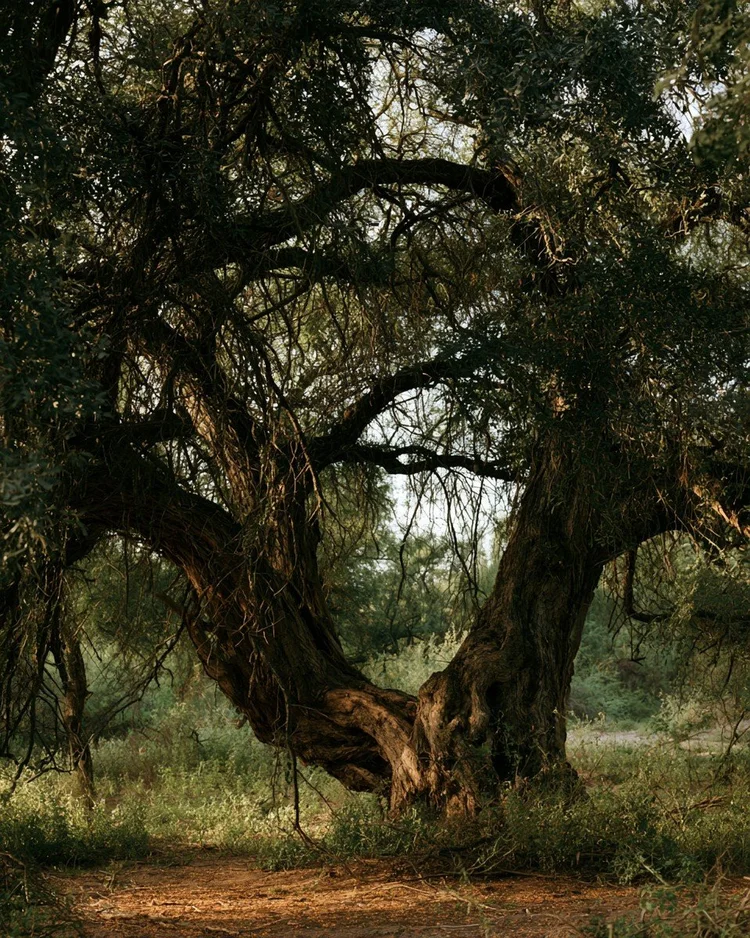
OriginDistilled from a slow-growing South American hardwood (Bulnesia sarmientoi) of the Gran Chaco, guaiac is warm, smoky, and faintly rosy, with a soft tarry sweetness.
In historyThe related lignum vitae was so hard and so esteemed by early European physicians that it was called the wood of life and shipped across the ocean as a cure-all. The Chaco tree has long served as timber, medicine, and incense in its home range.
Why it is preciousBecause the tree is slow to grow and increasingly scarce, responsible sourcing genuinely matters here.
In the bottleIt lends a base a mellow, campfire depth.
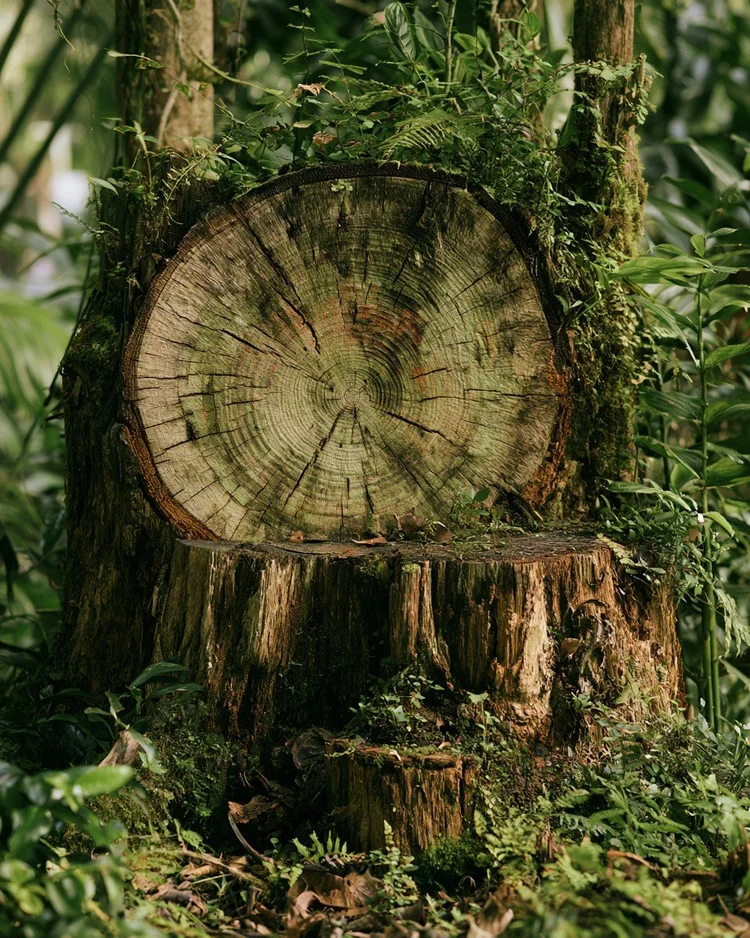
OriginJade wood is steam distilled from the wood of Callitris glaucophylla, the white cypress pine of Australia. Honey yellow-brown in the bottle and pourable, it shares much of its character with blue cypress and carries an echo of massoia bark and siam wood.
In historyThis is a material of the modern artisan cabinet rather than of ancient trade. White cypress pine has long been cut for timber in Australia, valued for a natural resistance to termites, and only recently has its wood oil found a place on the perfumer's bench.
Why it is preciousIt appears in small, occasional lots from specialist distillers and is often out of stock. Its real value is tenacity. Five days on a strip is uncommon in any wood, which makes it one of the strongest natural fixatives available.
In the bottleDry, woody, and lactonic throughout with no fruit and no sweetness. It works in harmony with oud and sandalwood, smoothing their edges, and it holds a composition together from underneath.
SourcingCallitris glaucophylla, Australia. Steam distilled from the wood.
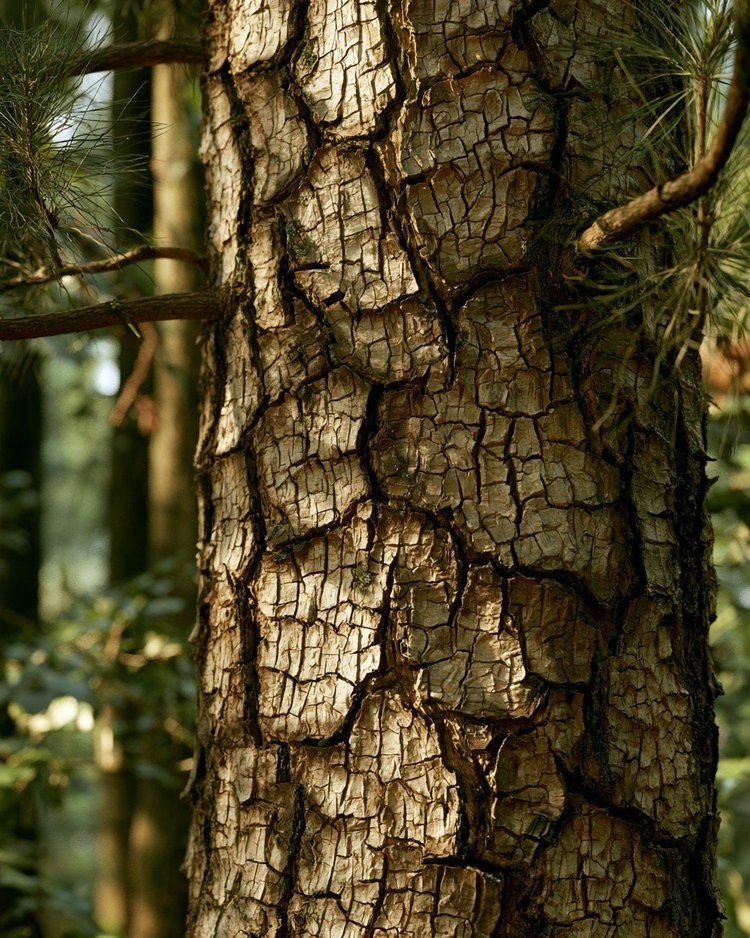
OriginAlligator juniper (Juniperus deppeana) takes its name from bark that cracks into square plates like the hide of the animal. Ours is gathered along the Mogollon Rim in the Coconino National Forest of Arizona, above five thousand feet.
In historyThe tree is a fixture of the high country of the American Southwest and northern Mexico, where its berries fed people and livestock through hard seasons and its wood burned slow and hot. Juniper smoke has been used for cleansing across that whole region for a very long time.
Why it is preciousIt is gathered from a specific range at altitude rather than produced at scale, and it carries a cleaner, brighter voice than the junipers most perfumers reach for.
In the bottleBright, clean, and faintly lemony from the needle and berry, with a cool camphorous edge. It opens a composition with high, dry mountain air.
SourcingJuniperus deppeana, Mogollon Rim, Coconino National Forest, Arizona, gathered above five thousand feet.
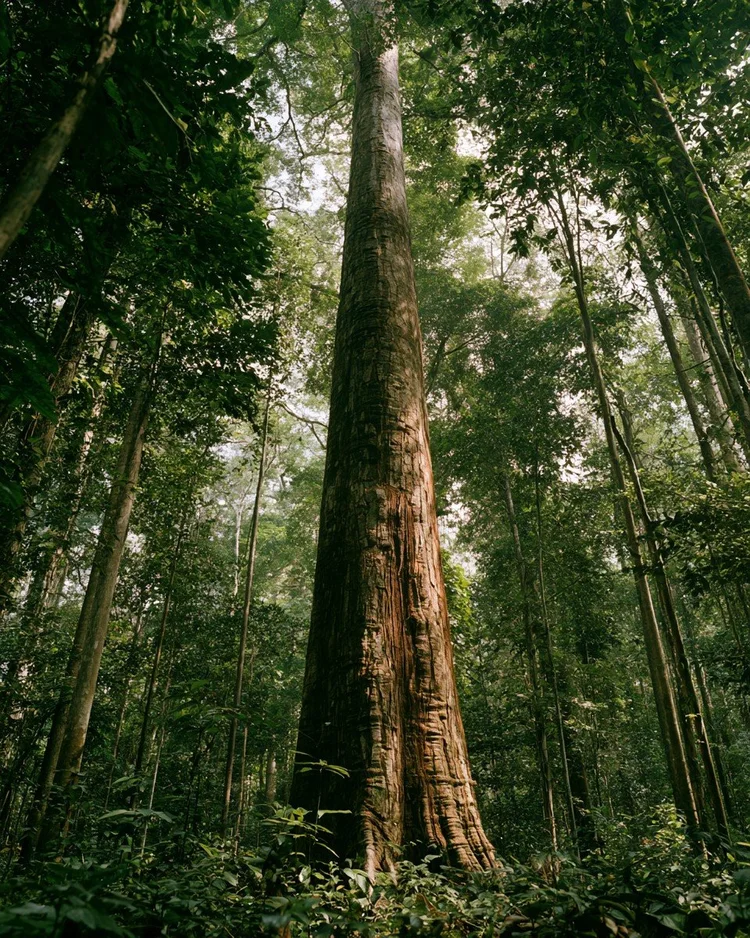
OriginRosewood (Aniba rosaeodora), known in perfumery as bois de rose, is a warm, softly floral Amazonian hardwood, and aged stock takes on a deeper, more resinous glow.
In historyRich in the fragrant compound linalool, rosewood was distilled in great quantity through the twentieth century, so heavily that the wild trees were pushed toward depletion. That reckoning turned makers toward vintage stock and to distilling the leaves rather than the wood.
Why it is preciousBecause true rosewood grew so scarce, responsibly held vintage oil and leaf-derived material are the honest sources, and both are limited and dear.
In the bottleIt lends a base a rounded, old-world warmth.
Resins, Balsams & Ambers
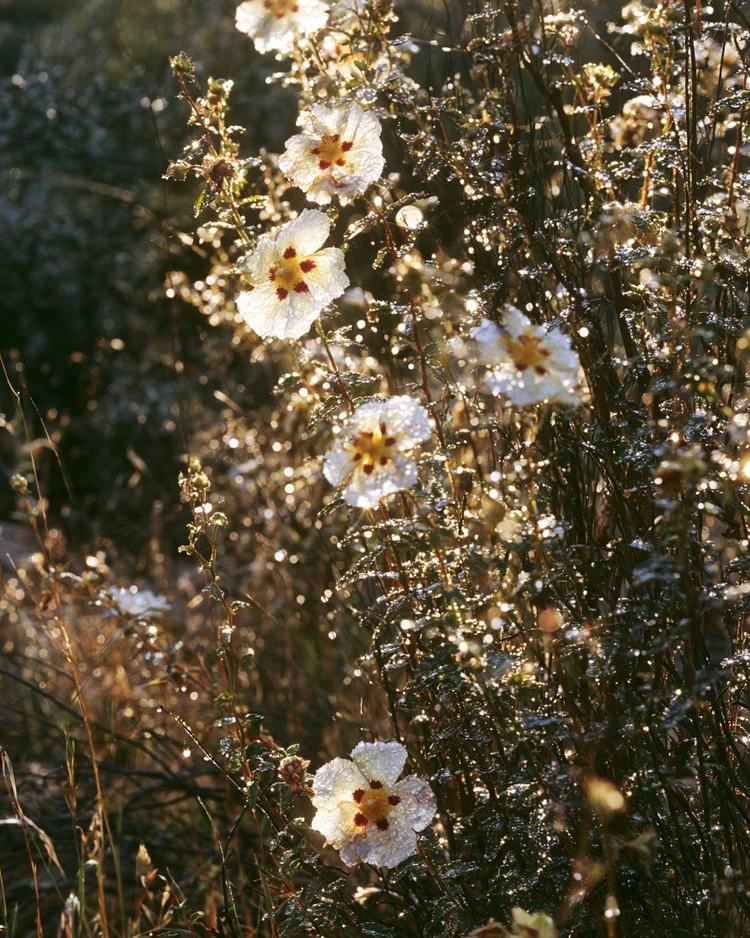
OriginLabdanum is gathered from the sticky gum of the Mediterranean rockrose (Cistus ladanifer), warm, sweet, and leathery with a honeyed depth.
In historyIn the old lands of the eastern Mediterranean the gum was famously combed from the coats of goats that had grazed among the shrubs, and raked from the plants with a leather-thonged tool. Some hold that the false beards of the pharaohs were scented with it.
Why it is preciousIts collection is slow and sticky work, and no other single material gives amber accords their glowing soul, which makes fine labdanum indispensable.
In the bottleThe backbone of most amber accords, it gives a base its resinous, honeyed warmth.
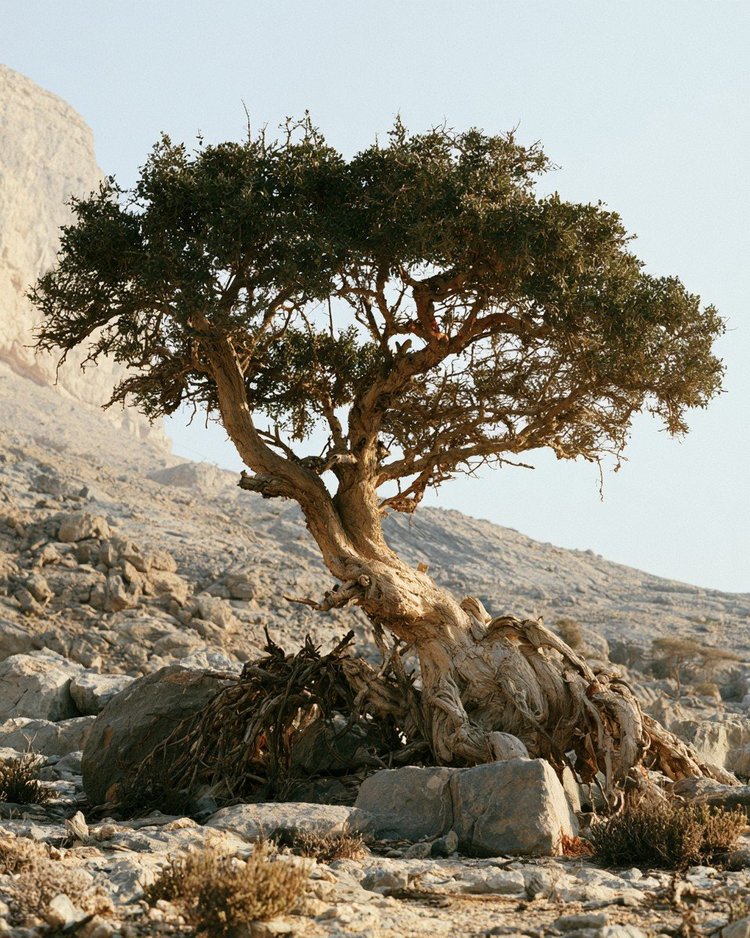
OriginFrankincense, or olibanum, is the resin tears of the Boswellia tree, tapped from the bark in the dry lands of Oman, Somalia, and Yemen and then distilled.
In historyFrankincense was one of the great treasures of the ancient world, worth its weight in gold, burned in the temples of Egypt and Rome and carried by camel along the Incense Road. It is the resin the Magi are said to have laid before the Christ child.
Why it is preciousThe wild trees are slow and increasingly stressed by demand, so carefully tapped, well-managed resin is both finer and more responsible.
In the bottleBright and resinous with a cool, citrus-pine clarity, it carries an unmistakable air of temples and smoke.
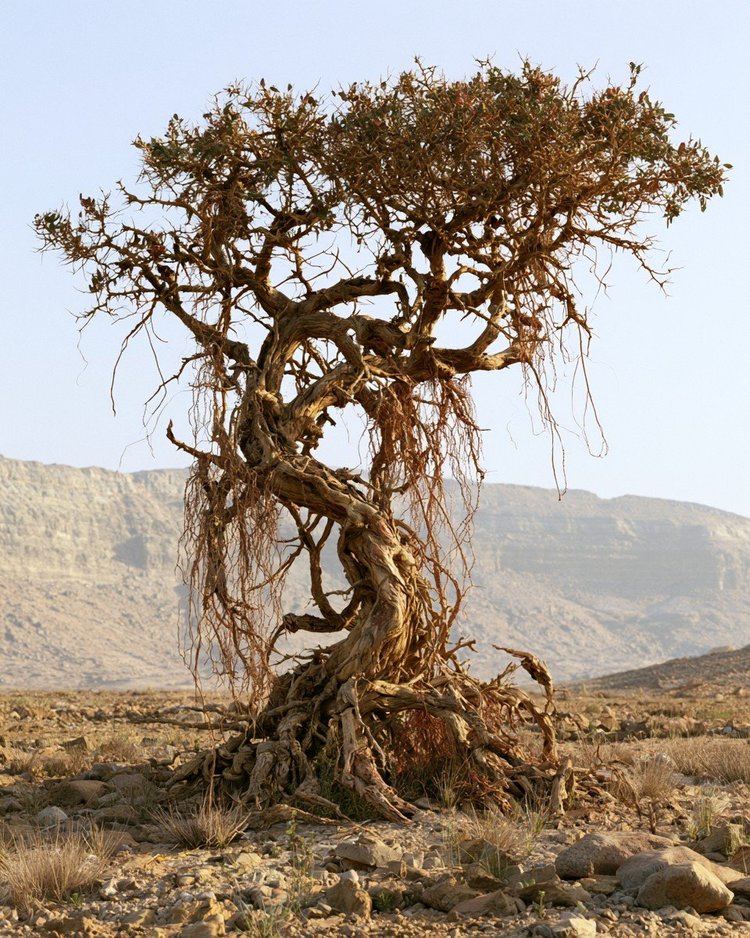
OriginMyrrh is the resin of a desert tree (Commiphora myrrha), warm and balsamic with a cool, almost medicinal bitterness. Kua myrrh is a softer, sweeter expression.
In historyMyrrh was as coveted as frankincense in antiquity, used by the Egyptians to embalm their dead, blended into holy anointing oils, and offered as the second of the Magi's gifts. Its very name comes from a word for bitter.
Why it is preciousHarvested from wild and semi-wild trees in harsh country, good myrrh is a limited and storied material.
In the bottleIt brings an ancient, prayer-smoke depth to a base.
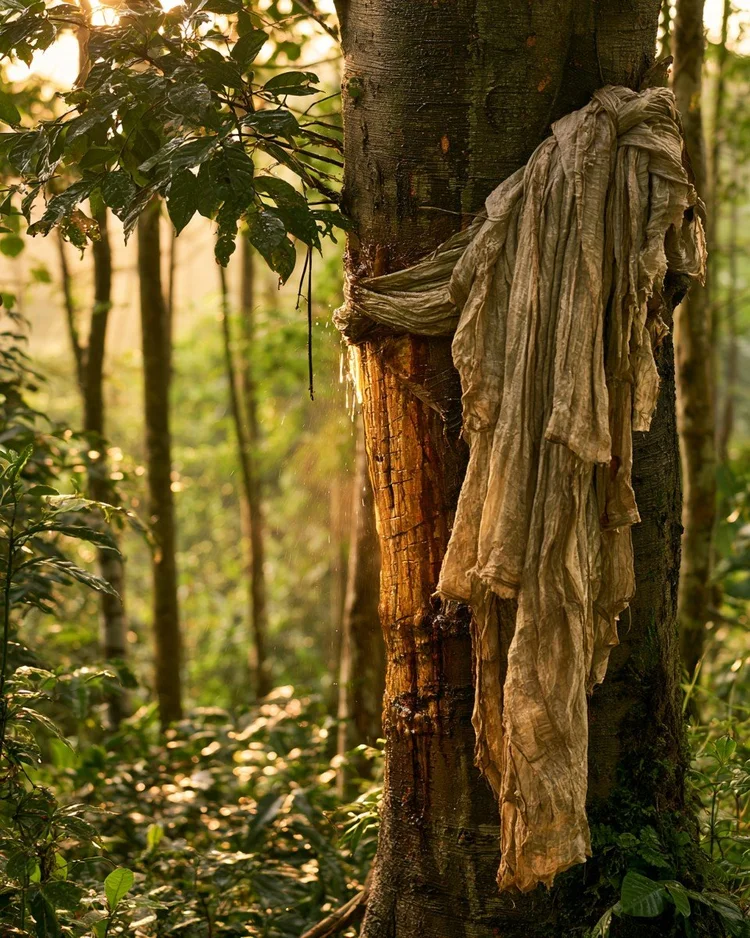
OriginTapped from a Central American tree (Myroxylon balsamum), Peru balsam is sweet and resinous, carrying natural notes of vanilla, cinnamon, and soft smoke.
In historyThe balsam takes its name from the port of Callao in Peru, from which Spanish traders shipped it to Europe, though the trees themselves grow in El Salvador. It was carried into the old apothecaries as a prized wound salve and incense.
Why it is preciousTapping the trees is slow, careful work, and a rich, well-cleared balsam holds a comforting warmth that lifts a whole base.
In the bottleIt lends a base a comforting, ambered warmth.
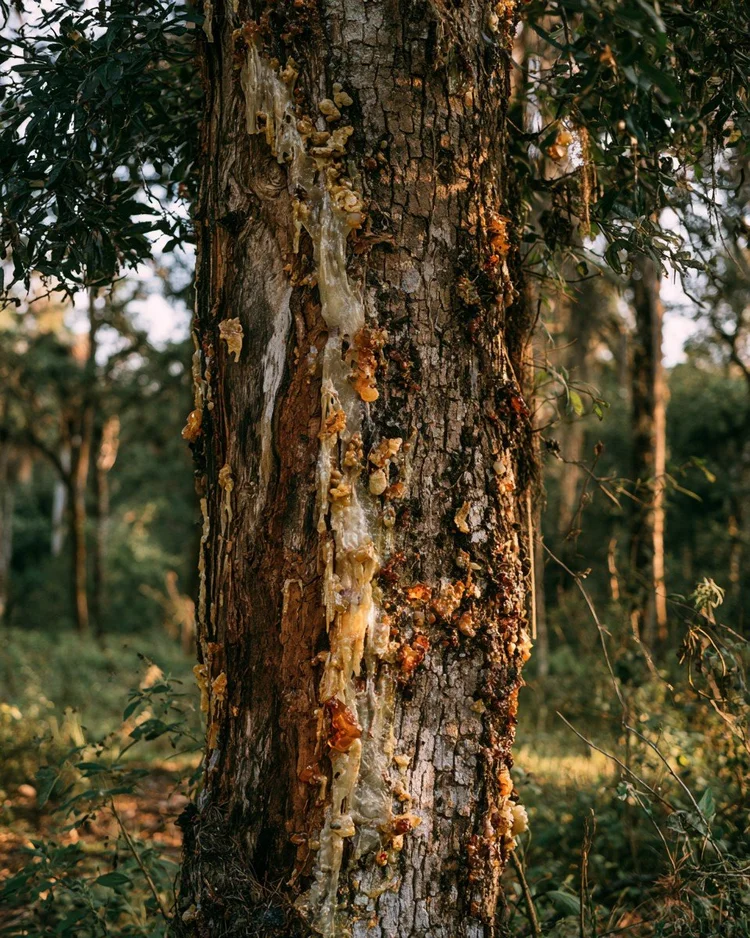
OriginCopal is the incense resin of Mesoamerica, tapped from Bursera and related trees, fresh, green, and piney with a clear resinous sweetness. Black copal is its darker, more shadowed form.
In historyThe Maya and Aztec burned copalli as the breath of the gods, its smoke rising in temples and offerings long before the Spanish came. It is still carried through markets and ceremonies across Mexico and Central America today.
Why it is preciousGathered by hand from wild and village trees and steeped in living ceremony, copal is a material with a deep cultural weight.
In the bottleIt brings a luminous, ceremonial smoke.
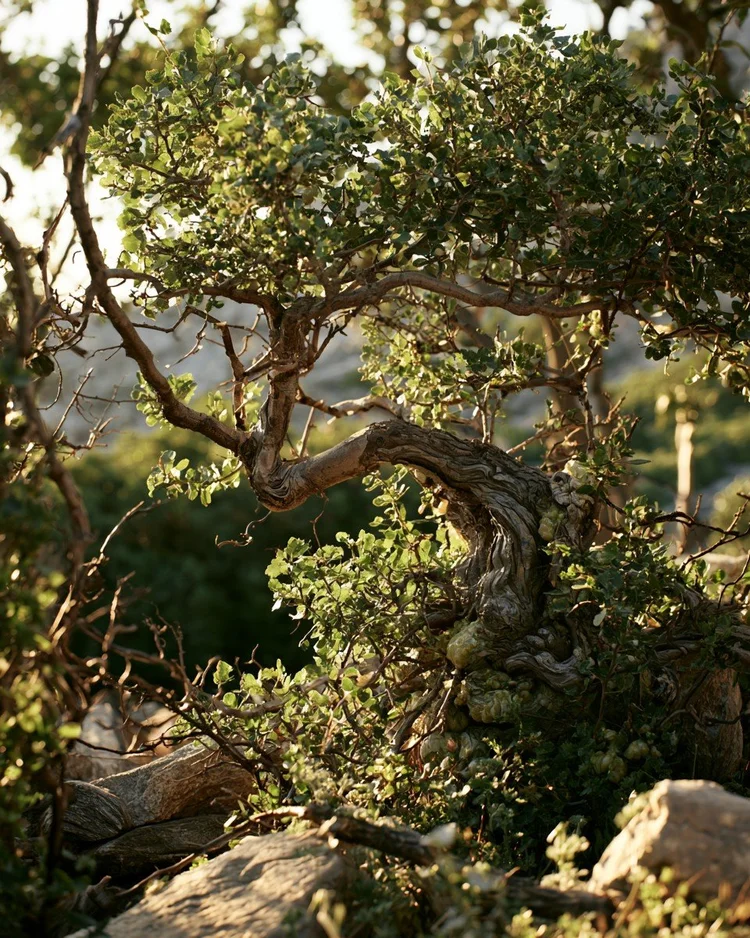
OriginMastic is the resin of a small tree (Pistacia lentiscus) grown chiefly on the Greek island of Chios, where it weeps in pale tears from the bark and is gathered by hand.
In historyChios mastiha has been harvested since antiquity and was so prized under Ottoman rule that stealing it could cost a life. It was the ancient world's chewing gum, freshening the breath of Byzantine courtiers and sultans' harems alike.
Why it is preciousGenuine mastic comes almost entirely from one small corner of one island, a protected regional treasure gathered slowly by hand.
In the bottleIt gives an opening a crisp, resinous sparkle.
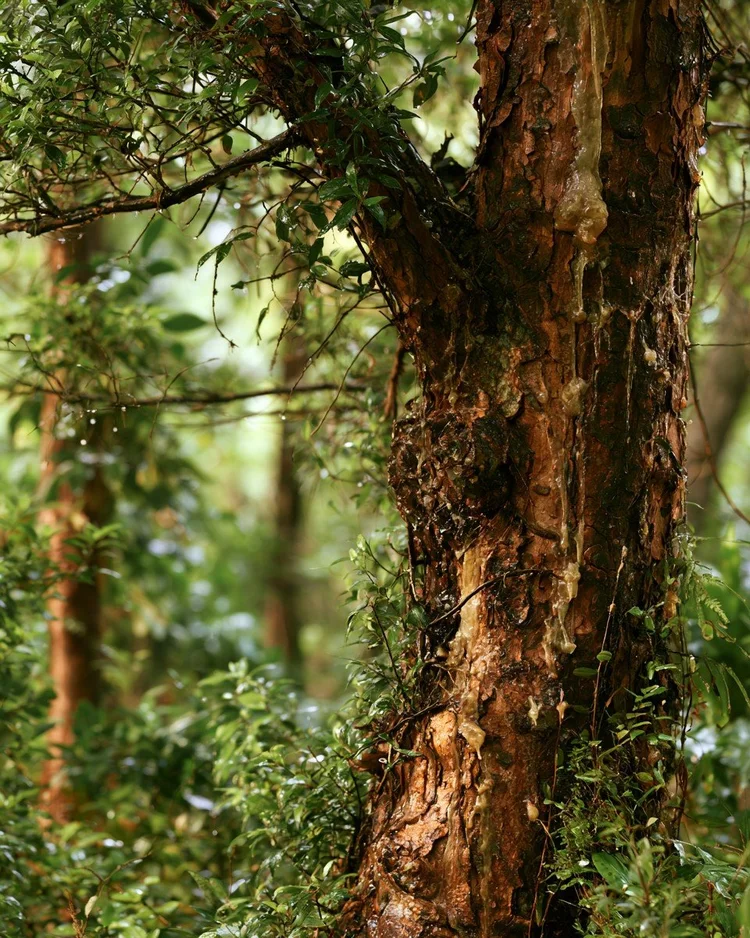
OriginElemi is a soft resin (Canarium luzonicum), much of it from the Philippines, with a scent of lemon peel, pine, and pepper over a gentle incense base.
In historyOnce known as a poor man's frankincense, elemi was used by the old Egyptians in embalming and later by European makers in healing balms and fine varnishes. It has always been a working resin as much as a sacred one.
Why it is preciousTapped from wild trees and rich in bright, fleeting top notes, a fresh elemi holds a lively character that rewards good handling.
In the bottleIt bridges citrus tops and resinous hearts with a bright, aromatic lift.
OriginAmber here is a composed accord rather than a single material, built in the old way from labdanum, balsams, and resins. Egyptian amber leans warm, sweet, and softly powdery.
In historyThe amber accord is one of perfumery's oldest inventions, a warm blend of resin and vanilla that makers have handed down and reworked for generations, quite separate from the fossil stone that shares its name.
Why it is preciousIts worth lies in the balance of the blend, a warm architecture the perfumer builds by hand from precious resins.
In the bottleA glowing base note with an antique, sunlit warmth.
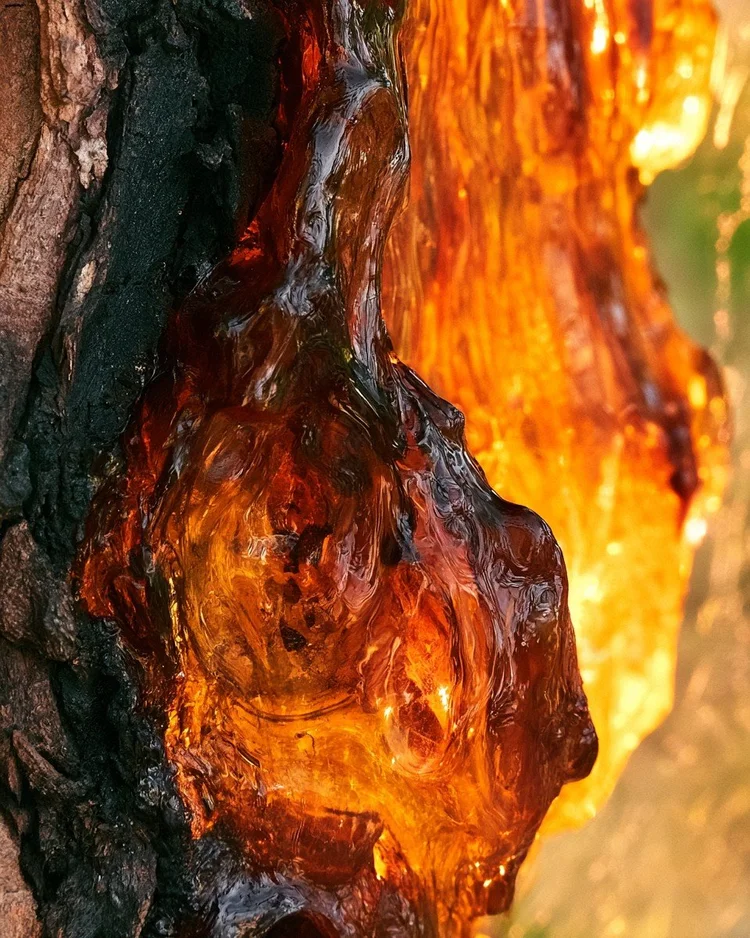
OriginUnlike the amber accord, fossilized amber is genuine ancient resin, hardened over millions of years. Tinctured or gently distilled, it yields a dry, smoky, pine-tar scent.
In historyBaltic amber was traded along the ancient Amber Road from the northern seas to the Mediterranean, worn as jewelry and burned as incense. Its odd habit of drawing a spark when rubbed gave the Greek word for it, elektron, to the whole idea of electricity.
Why it is preciousIt is the work of deep time, a finite material gathered from shore and mine, and a note on names: this stone amber is entirely different from ambergris, the animalic material found at sea.
In the bottleA dry, smoky, pine-tar breath that darkens a base.
Roots, Mosses & Earth
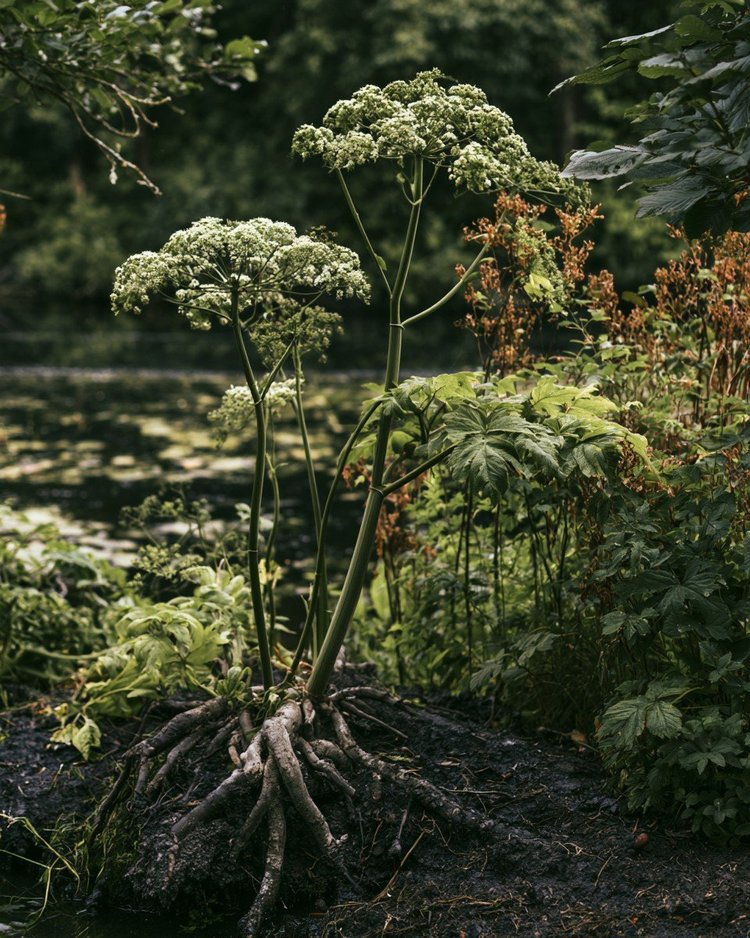
OriginDistilled from the root of a tall northern herb (Angelica archangelica), angelica is earthy and musky with a cool, herbaceous bite.
In historyNamed for the archangel and once called the root of the Holy Ghost, angelica was carried as a charm against plague and poison in medieval Europe and remains a defining botanical of Chartreuse and fine gins. The Sami of the far north have long prized it as food and medicine.
Why it is preciousThe root gives a low yield of a subtle, musky-green oil that is difficult to imitate, and it must be handled with care, since it can make skin sensitive to sunlight.
In the bottleA mysterious, slightly animalic greenness that deepens a heart or base.
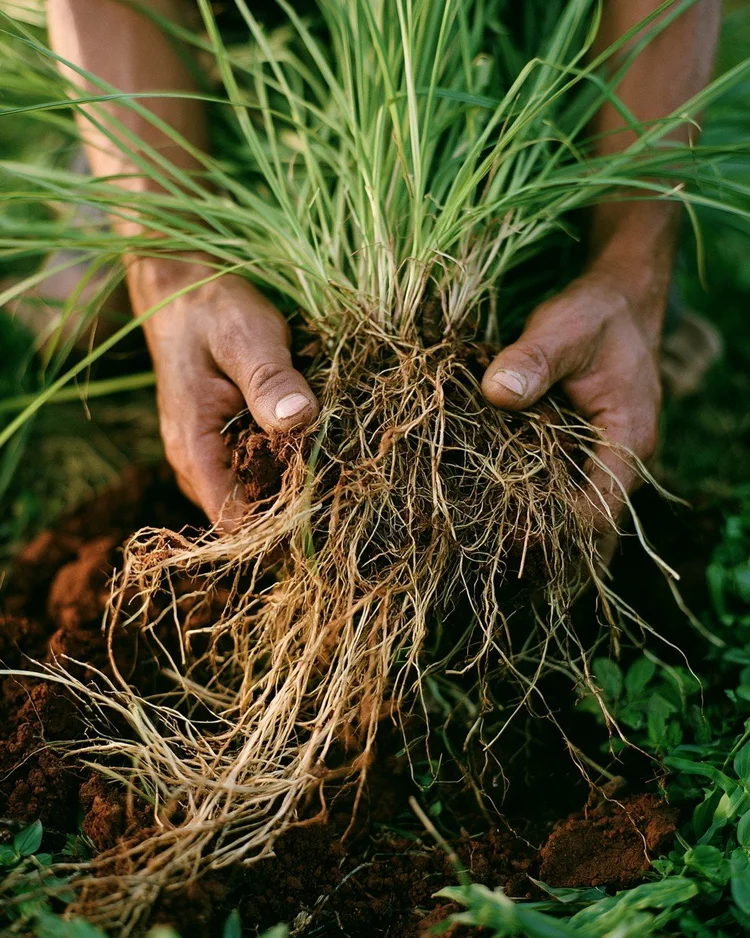
OriginVetiver is distilled from the dense roots of a tropical grass (Chrysopogon zizanioides). Haitian vetiver is cool, smoky, and faintly citrus; Java vetiver is darker, earthier, and more roasted.
In historyIn India it is khus, the oil of tranquility, and its roots are woven into scented mats and window screens that are wetted to cool and perfume a house through the hot season. That cooling, grounding character has carried it into perfumery the world over.
Why it is preciousThe roots must be dug, washed, and dried by hand before a slow distillation, a labor-heavy process that gives fine vetiver its worth.
In the bottleIt gives a base a rooted, smoky, unmistakably earthen grip.
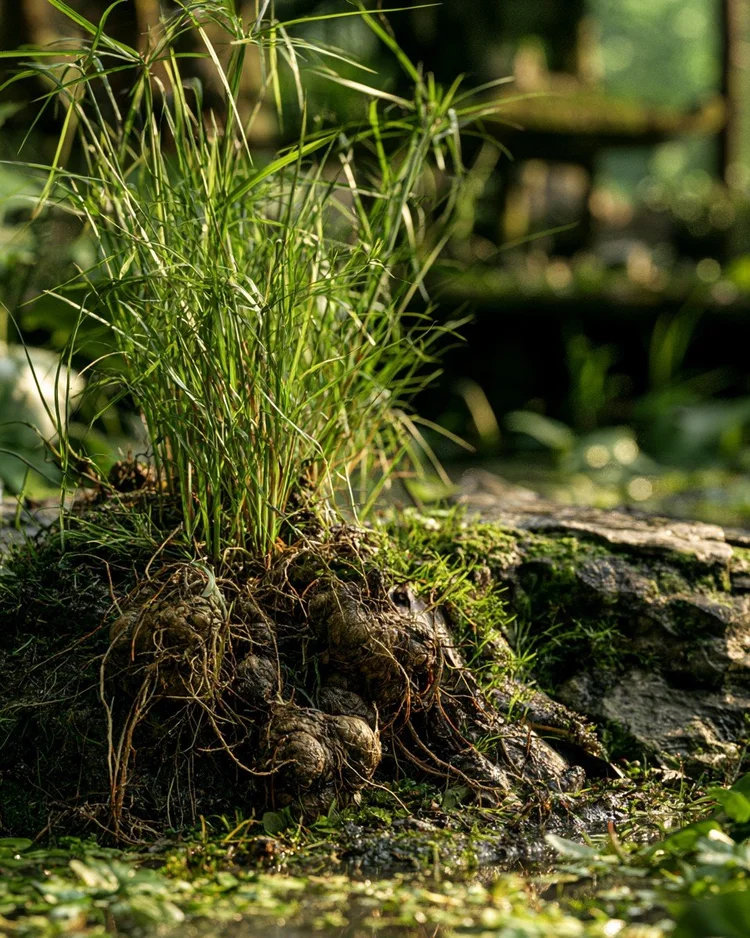
OriginAlso called cypriol, nagarmotha is distilled from a nut-grass root (Cyperus scariosus), much of it from the Indian subcontinent, smoky, dry, and leathery.
In historyThe root has a long place in Ayurvedic medicine and traditional Indian scentwork, valued both as a remedy and as a smoky base that stretches and rounds precious agarwood.
Why it is preciousIt offers something of oud's dark, leathery character in an honest, distinct material, useful and characterful in its own right.
In the bottleIt gives a base a rugged, earthen smoke.
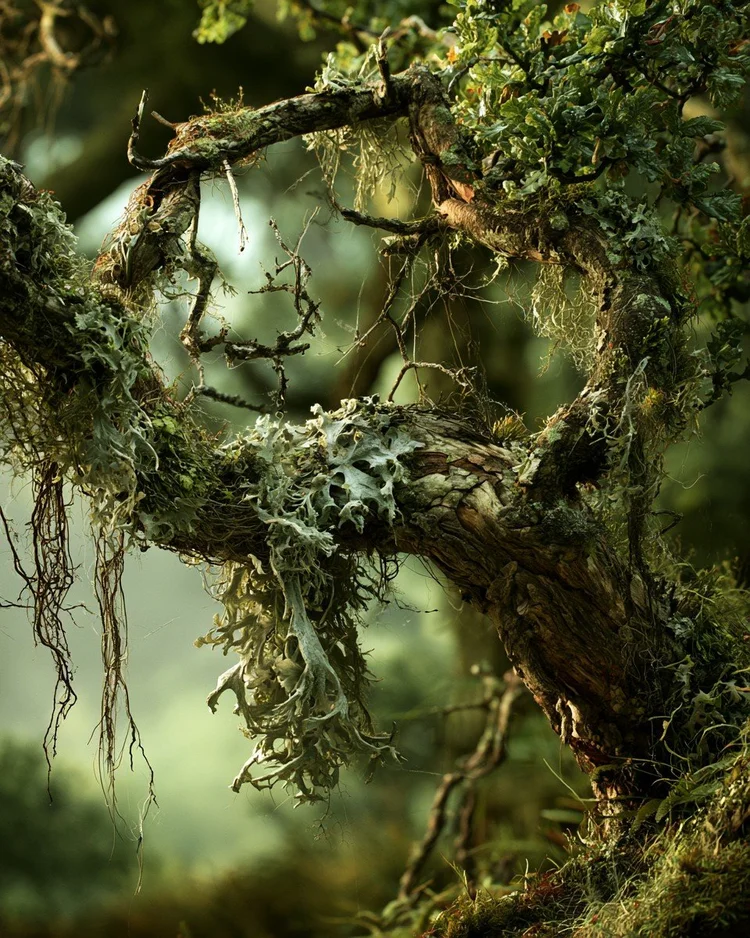
OriginOakmoss absolute comes from a lichen (Evernia prunastri) that grows on oak bark, its scent green, earthy, and inky with a leathery bitterness.
In historyOakmoss is the dark, damp heart of the classic chypre, the family born with Coty's Chypre in 1917, and long before that its powder scented the wigs and gloves of old Europe. Few materials have shaped a whole genre so completely.
Why it is preciousIt is a recognized allergen and sits among the materials fragrance guidelines restrict, so it is used deliberately, often in low-allergen forms, and disclosed openly.
In the bottleGreen, earthy, and inky, it gives a base a bittersweet forest depth.
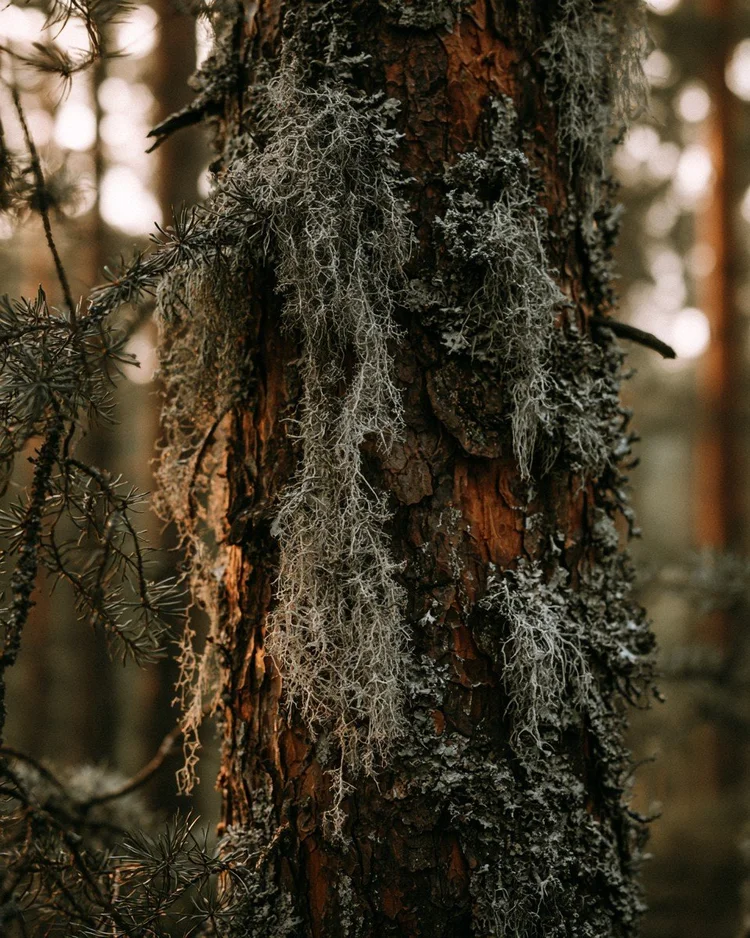
OriginTree moss absolute comes from lichens that grow on conifers (Evernia furfuracea and kin), giving a drier, more resinous, pine-smoke green than oakmoss.
In historyAlongside oakmoss it built the mossy foundations of the great chypres and fougères, the barbershop and forest-floor accords that defined masculine perfumery for a century.
Why it is preciousLike its cousin it is a restricted allergen, used with care and in modern low-allergen forms, and disclosed.
In the bottleIt lends a base a deep, pine-smoke woodland floor.

OriginDespite the name, Greenland moss is a shrub rather than a moss, the Labrador tea (Rhododendron groenlandicum) of the northern bogs, distilled to a herbal, resinous, minty-green oil.
In historyThe First Nations and Inuit of the far north have long steeped its leaves into a warming, medicinal tea, and settlers borrowed the custom, brewing it as a wild substitute for imported tea.
Why it is preciousGathered from cold, remote bogland and seldom distilled, it is an uncommon and evocative material.
In the bottleHerbal and resinous with a cool, minty-green freshness that reads wild and clean.
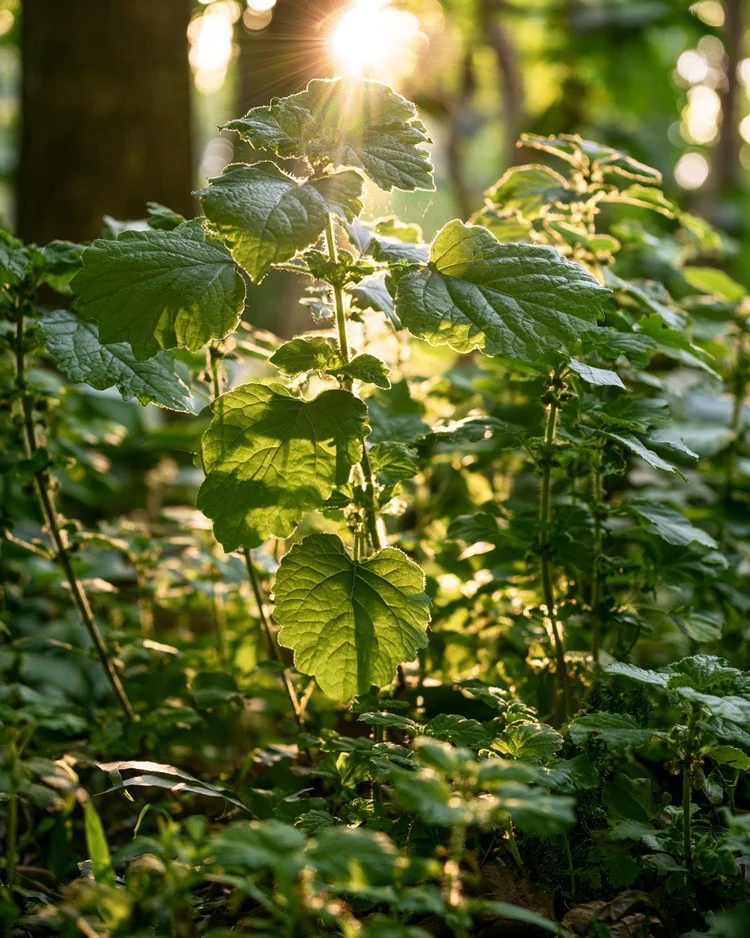
OriginDistilled from the fermented leaves of a tropical mint relative (Pogostemon cablin), patchouli is earthy, sweet, and wine-dark, deepening with age. Dark and cocoa-inflected fractions lean richer and more decadent.
In historyPatchouli scented the cashmere shawls of nineteenth-century India, laid among the folds to keep moths away, and its smell became the very proof of a genuine imported shawl. A century later it was the incense of the counterculture, the earthy signature of a generation.
Why it is preciousAlmost alone among naturals it improves with age, and a well-aged patchouli loses its rough camphor to become smooth, deep, and prized.
In the bottleIt gives a base a magnetic, rooted sweetness.
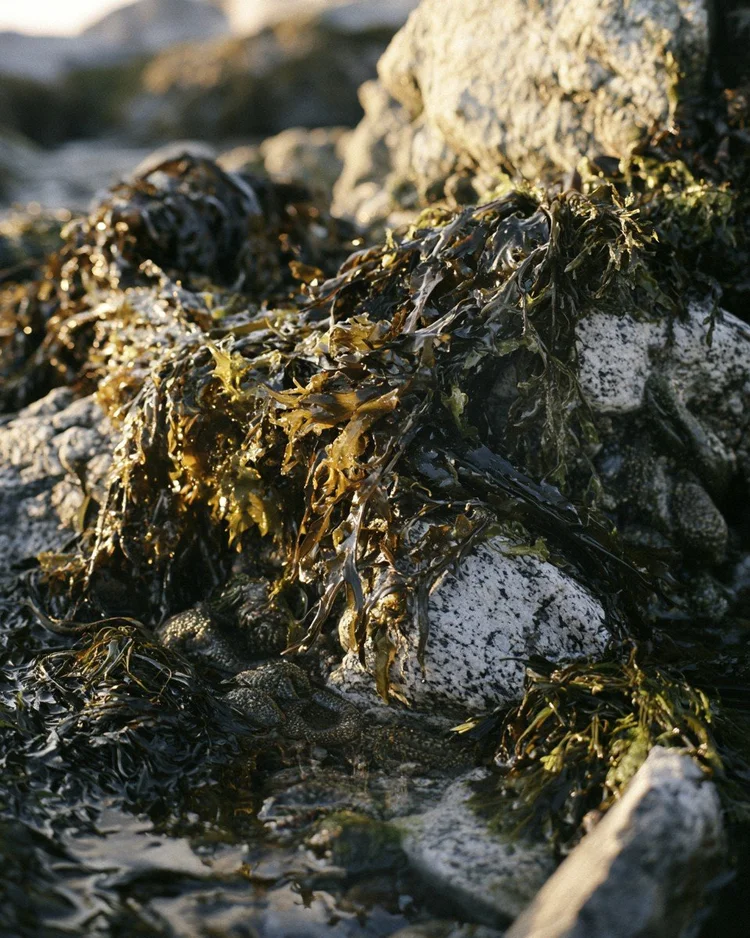
OriginSeaweed absolute carries the true scent of the shoreline: salt, iodine, and dark tidal weed. Red seaweed leans a touch warmer and more earthen.
In historyCoastal peoples have gathered seaweed for food, fertilizer, and medicine for as long as they have lived by the tide, and its sharp iodine breath is the memory of every working harbor and rock pool.
Why it is preciousA true seaweed absolute is a niche material, low-yielding and pungent, giving an honest ocean far from any sweet marine cliche.
In the bottleIt brings a wet, mineral, oceanic realism to a base.
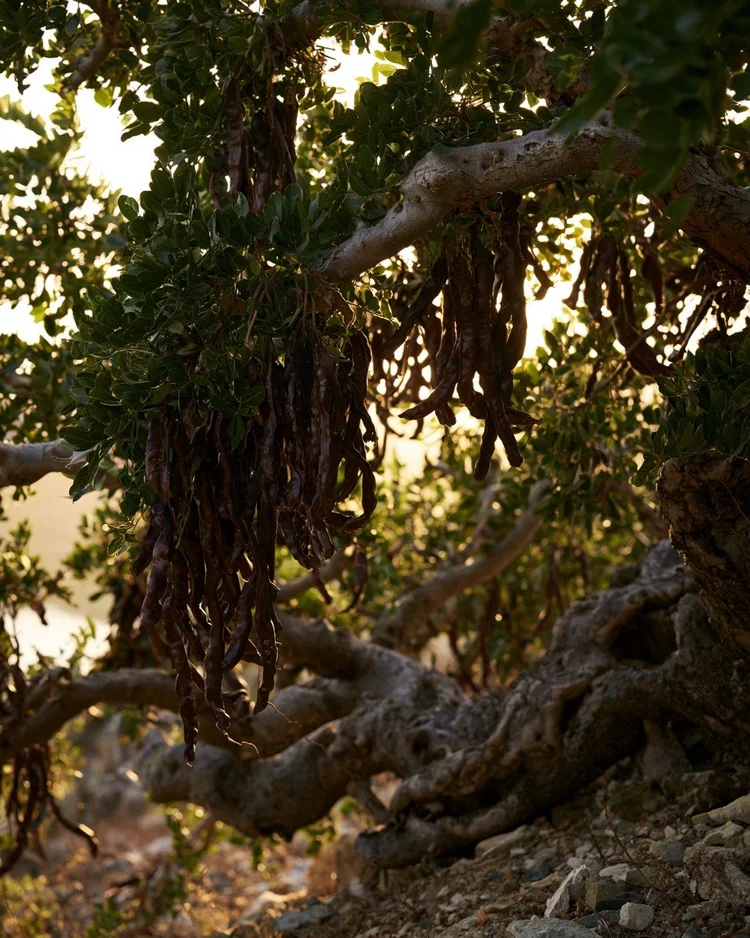
OriginCarob comes from the pod of a Mediterranean tree (Ceratonia siliqua), long used as a natural sweet, rendered for perfume as an extract or absolute.
In historyKnown as St John's bread and as the locust bean, carob fed travelers and the poor across the ancient Mediterranean, and its remarkably even seeds gave the jeweler the carat, the unit by which gold and gems are still weighed.
Why it is preciousAs a fragrance material it is uncommon, a dark, dry-sweet curiosity that deepens gourmand and earthy bases.
In the bottleClose to cocoa and molasses with a faint leather, it darkens a base.
Animalics
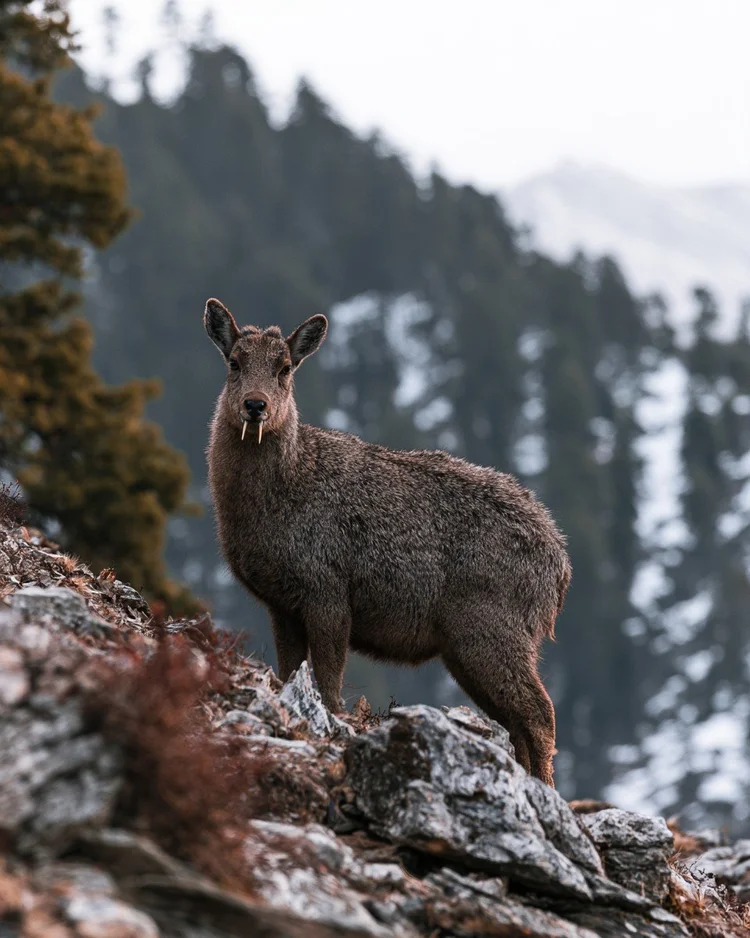
OriginThe legendary musk of high Asia, from the mountains of Siberia, Mongolia, and the Himalaya. For centuries it was the most coveted animalic in all of perfumery, spoken of far more often than it was ever truly possessed.
In historyCarried west along the Silk Road, musk was worth its weight in gold and lent its name to a whole family of scents. The word itself descends from a Sanskrit root. This was the famed Tonquin musk of old perfumery, treasured from the courts of China to the parfumeries of Paris.
Why it is preciousThe old harvest was lethal to the animal and that trade is now tightly restricted. Genuine musk is vanishingly rare and heavy with responsibility, which is why the modern world, and this house, wear musk accords built to honor it rather than the raw material itself.
In the bottleMusk is warmth made visible, soft and radiant and skin-like, blooming a composition outward and lending a sensual glow that lingers for days.
SourcingCarried entirely as a house accord. No musk-deer material of any kind enters an Ashenfume bottle. The form is named on every fragrance.

OriginCivet is a warm, intensely animalic material historically taken from a small nocturnal mammal of Africa and Asia. In the old perfumery it was one of the great fixatives and radiance-givers.
In historyFor centuries civet was among the most valuable substances in trade, a cornerstone of the great classic perfumes, its warmth hidden inside countless florals to make them purr. Its compound, civetone, later became one of the first animalic notes chemists learned to recreate.
Why it is preciousRaw civet carries real ethical weight, since the traditional collection raised serious animal-welfare concerns, and the trade is regulated. Modern responsible perfumery answers this with faithful civet accords, so the note can be honored without the animal.
In the bottleIn quantity it is shocking. In a trace it is magic, turning warm and floral and golden, giving a composition a purring glow and long life.
SourcingCarried entirely as a house accord, built from our own idea of the real thing. No animal material of any kind is involved. The form is named on every fragrance.
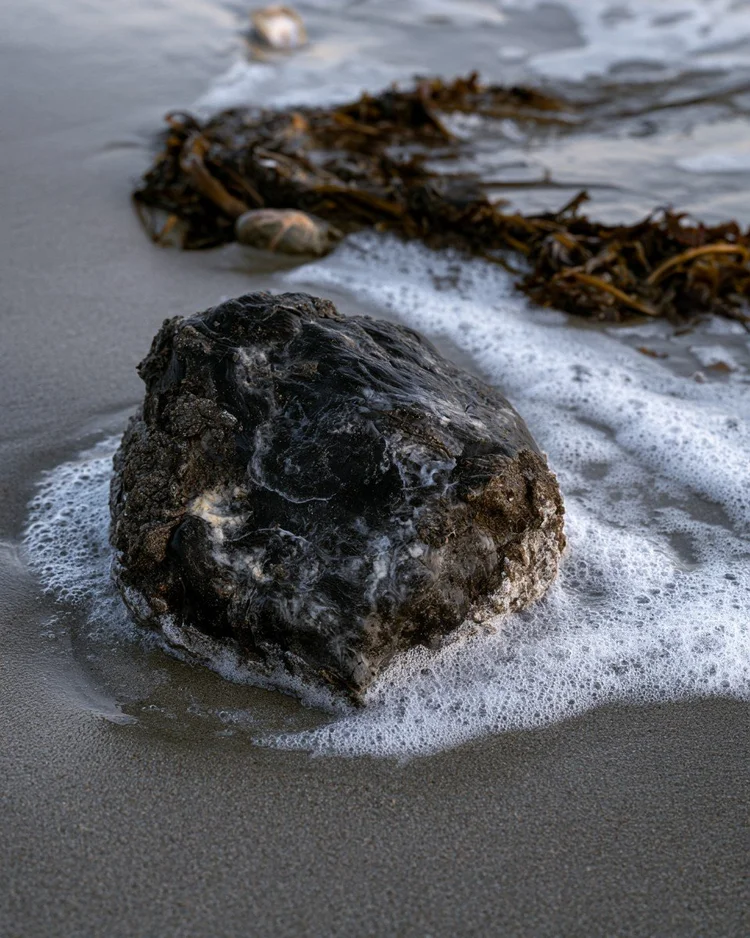
OriginAmbergris begins inside the sperm whale and is expelled to the sea, where it drifts for years. Sun, salt, and water cure it slowly until, rarely, it washes onto a distant beach entirely transformed.
In historyCalled floating gold, ambergris was one of the ocean's great mysteries, valued from the Arab traders to the courts of Europe before anyone knew its source. It flavored royal foods, guarded against plague, and fetched sums to rival any treasure hauled from the sea.
Why it is preciousAmbergris is legal to collect and sell across much of Europe, where it is treated as a waste product the whale has already expelled. It is not legal here. Ashenfume is a United States house, and under American law ambergris counts as a part of an endangered marine mammal whatever way it was found.
In the bottleNothing. It is not in the bottle. Where a fragrance wants this character it carries the accord below, and the label says so.
SourcingAshenfume does not gather, hold, trade, or use ambergris in any form or grade.
OriginWhen a fragrance wants the glow of ambergris rather than the raw treasure, we build an accord that echoes its salt, warmth, and shimmer, often around the material ambroxide, the very molecule that gives cured ambergris much of its radiance.
In historyAs genuine ambergris grew scarce and its trade complicated, perfumers learned to capture its effect through composition, and the ambergris accord became one of the quiet triumphs of modern, responsible perfumery.
Why it is preciousIts value lies in craft and conscience, giving the ocean's radiance without asking anything of the whale or the law.
In the bottleA salty, ambered radiance that lifts and fixes a composition.

OriginCastoreum is a warm, leathery, smoky-sweet animalic historically taken from the beaver's scent glands. Sweet castoreum reads softer, with a faint berry warmth.
In historyThe old apothecaries prescribed castoreum for all manner of ailments, and there is a real logic to it, since beavers eat willow bark and carry its pain-easing compounds into the gland. In perfumery it became a classic leather note, the smell of fine tanned hide.
Why it is preciousLike all the animalics it carries ethical weight, so we reach for responsible accords and, where used, ethically held tinctures saved as a byproduct, never a harmful harvest.
In the bottleIt gives a base a leathery, skin-warm depth, kept within modern usage limits.
SourcingUsed as a responsibly made accord or an ethically held byproduct tincture, disclosed on the fragrance.

OriginA rarely seen animalic drawn from the musk of the North American muskrat (Ondatra zibethicus), tinctured from the scent glands, warm and soft with a furred, skin-like sweetness.
In historyThe muskrat takes its name from its musky scent and its rat-like shape, and its very species name means musky in Latin. It was long trapped for its fur across North America, and the scent glands, which would otherwise be discarded, are saved by a few artisan makers as a byproduct.
Why it is preciousIt is one of the closest natural echoes of the clean white musks, and being uncommon and small-batch, it is used sparingly for a living, natural quality.
In the bottleWarm, soft, and slightly floral, it lends a natural, skin-like musk to a base.
SourcingSourced as a byproduct tincture, using glands saved from legally trapped fur-trade animals rather than any taken for scent.
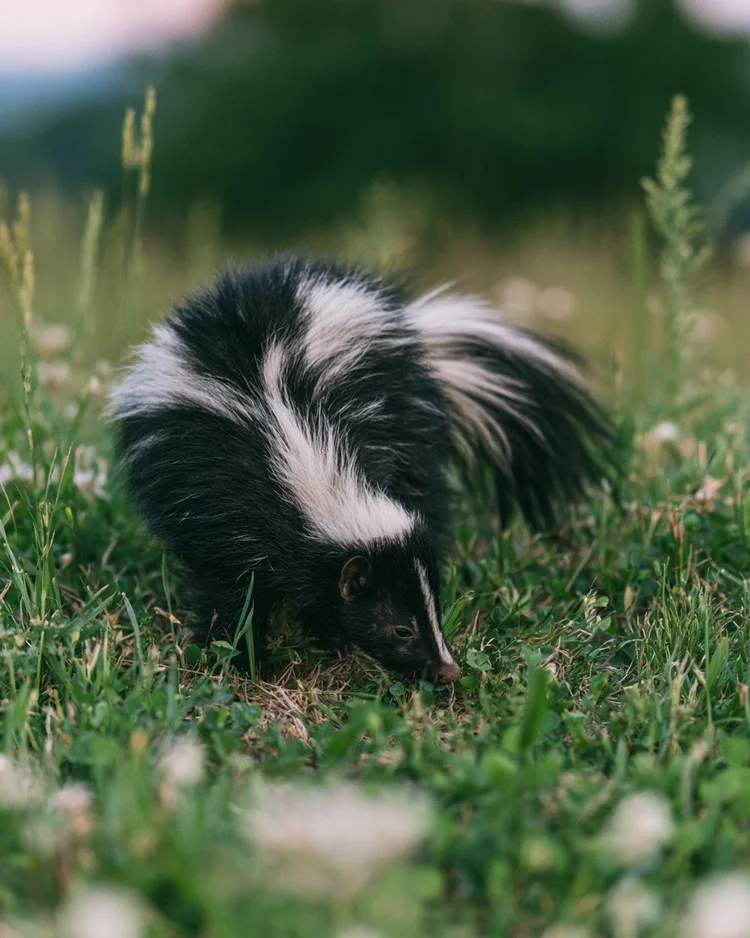
OriginUsed only in the faintest dilution, a skunk tincture lends a wild, sulphurous funk that reads as raw animal energy rather than anything recognizable.
In historyPerfumery has always known that the most shocking materials, taken down to a whisper, become strange and beautiful, and skunk belongs to that daring tradition of the almost-imperceptible trace that makes a scent feel alive.
Why it is preciousIts whole art is restraint, measured in the smallest fractions, so that only its life and none of its shock remains.
In the bottleIn the right trace it makes a composition feel alive and untamed.
SourcingUsed only as a vanishingly diluted tincture, from a legally sourced material.
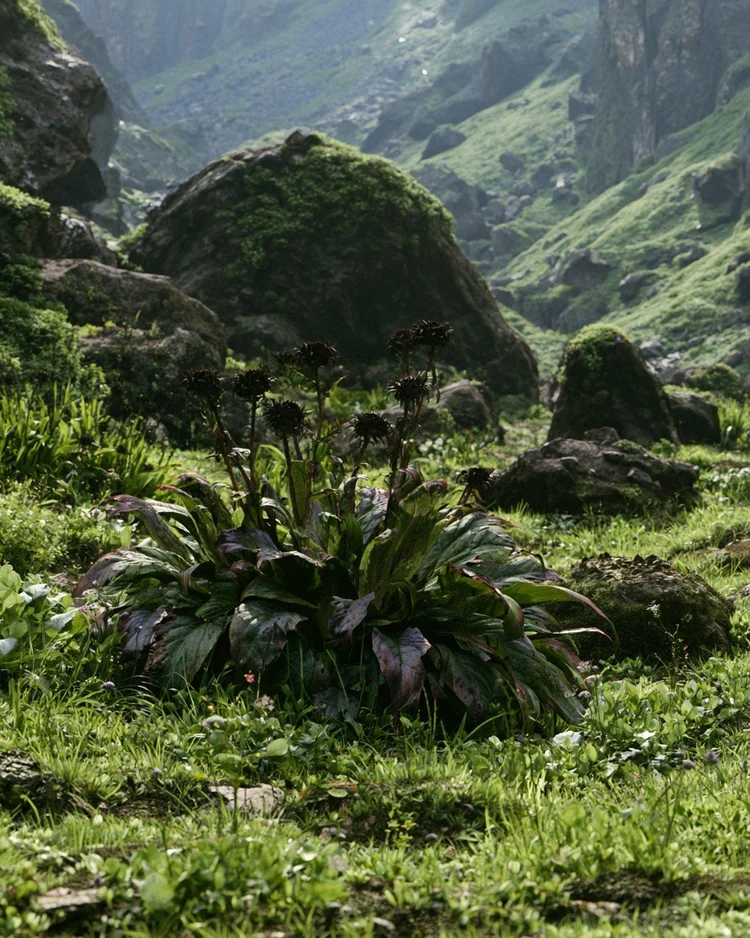
OriginThough it grows as a Himalayan root (Saussurea costus), costus smells startlingly animalic, like warm hair and skin, which places this plant among the animalics of the ledger.
In historyCostus was traded out of the Himalaya to Rome and the ancient Mediterranean as a precious perfume material and medicine, and it has scented Indian incense and hair oils for a very long time.
Why it is preciousThe plant is now protected and its oil restricted from modern fragrance, so its uncanny warmth belongs to a faithful accord rather than the raw material.
In the bottleIn a trace it gives a composition an intimate, furred, human warmth.
SourcingCarried only as a disclosed accord, a compliant reconstruction of the costus character, never the raw root oil.
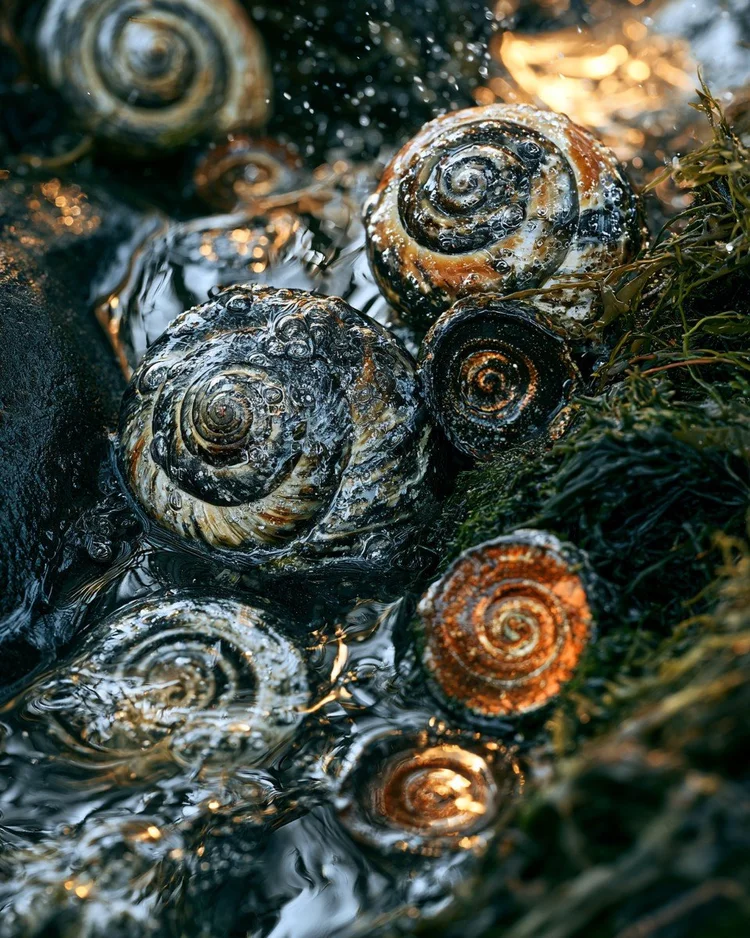
OriginChoya nakh is made from the operculum, the hard nail-like disc a sea snail draws shut behind itself. The pieces are dry roasted in a sealed earthenware pot, the choya that gives the material its name, and the smoke is distilled straight into sandalwood oil. Ours is made by Sundari Aromata in India. Because it is distilled into the wood rather than gathered on its own, sandalwood comes with it into every formula.
In historyThe operculum is the material long identified with onycha, one of the four sacred spices of the temple incense named in the Book of Exodus and set beside frankincense and galbanum. Scholars still argue over whether the Hebrew word meant this shell or something else entirely. What is not in doubt is that roasted opercula have scented incense across India, Japan, and the Middle East for many centuries.
Why it is preciousTen days on a smelling strip. Almost nothing in the cabinet holds that long, which makes choya nakh a fixative as much as a scent. It is also merciless. One drop past the mark and it takes the whole formula with it, so the entire craft of using it lives in the dilution.
In the bottleSmoke arrives first. Underneath it sits something no marine synthetic has ever reached: salt, dry moss, inky leather, and a warm mineral amber resting on the sandalwood it was distilled into. Well diluted, it gives a composition a living, oceanic depth.
SourcingSea-snail opercula, roasted in the traditional way and distilled into Santalum album. Sundari Aromata, India.
Gourmand & Smoke
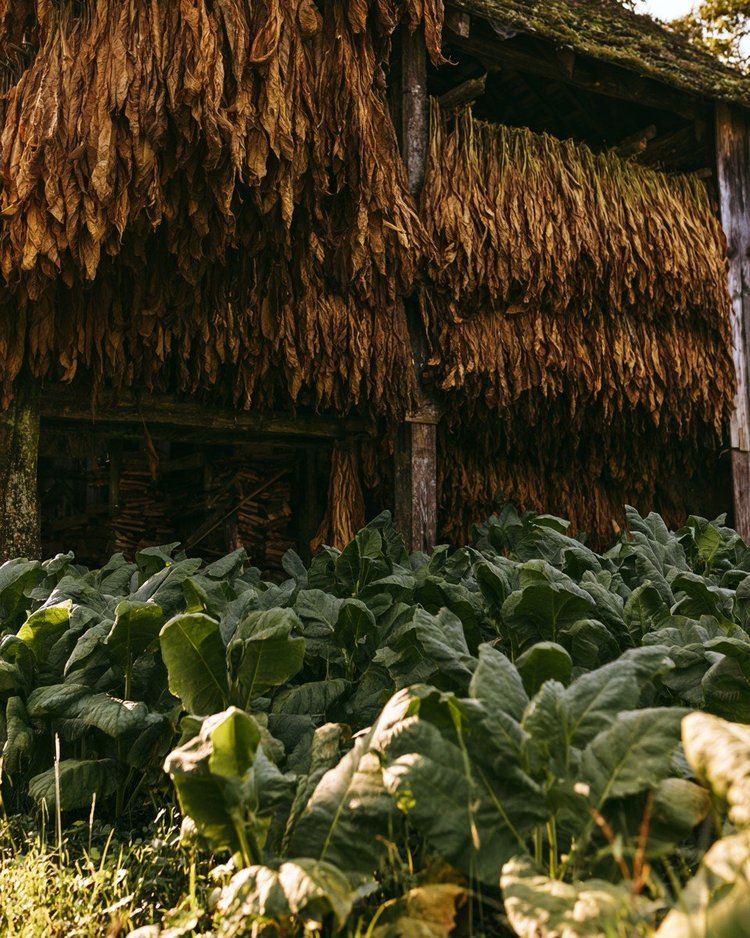
OriginTobacco absolute is drawn from the cured leaves of Nicotiana tabacum, giving a warm, honeyed, hay-and-smoke richness. Oriental tobacco is more spiced and aromatic, while Virginian tobacco absolute is deep and dark.
In historyTobacco came to the wider world from the Americas, where it had long been a sacred and ceremonial plant, and became the leaf of the pipe, the cigar, and the snuffbox. The warm, sweet scent of a fine tobacco is the smell of curing barns and old libraries.
Why it is preciousA true tobacco absolute holds a honeyed depth that no ashtray note can match, and fine, well-cured material rewards careful choosing.
In the bottleIt lends a base a lived-in, contemplative warmth.
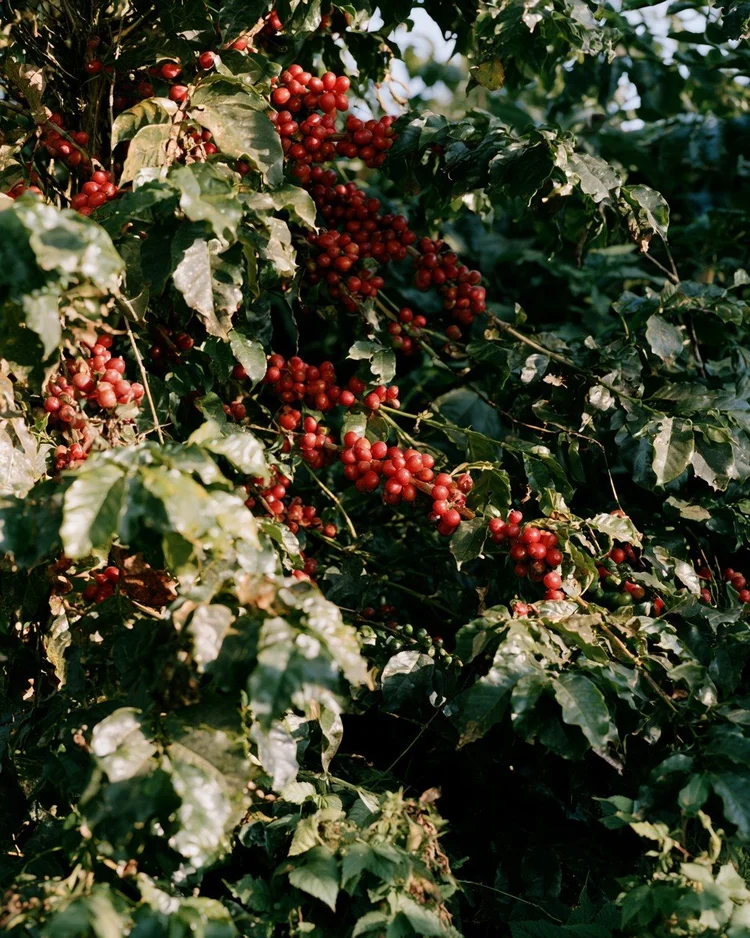
OriginCoffee absolute comes from roasted beans (Coffea), carrying a true bitter-roast depth with smoke and warmth, quite distinct from the green coffee blossom.
In historyCoffee is said to have been discovered in the highlands of Ethiopia and spread through the coffeehouses of Arabia, where it became the drink of poets, scholars, and merchants before it swept the whole of the world.
Why it is preciousA good coffee absolute captures the roast without turning to burnt bitterness, a balance that rewards fine material.
In the bottleIt grounds a gourmand or oriental base with a dark, appetizing richness.
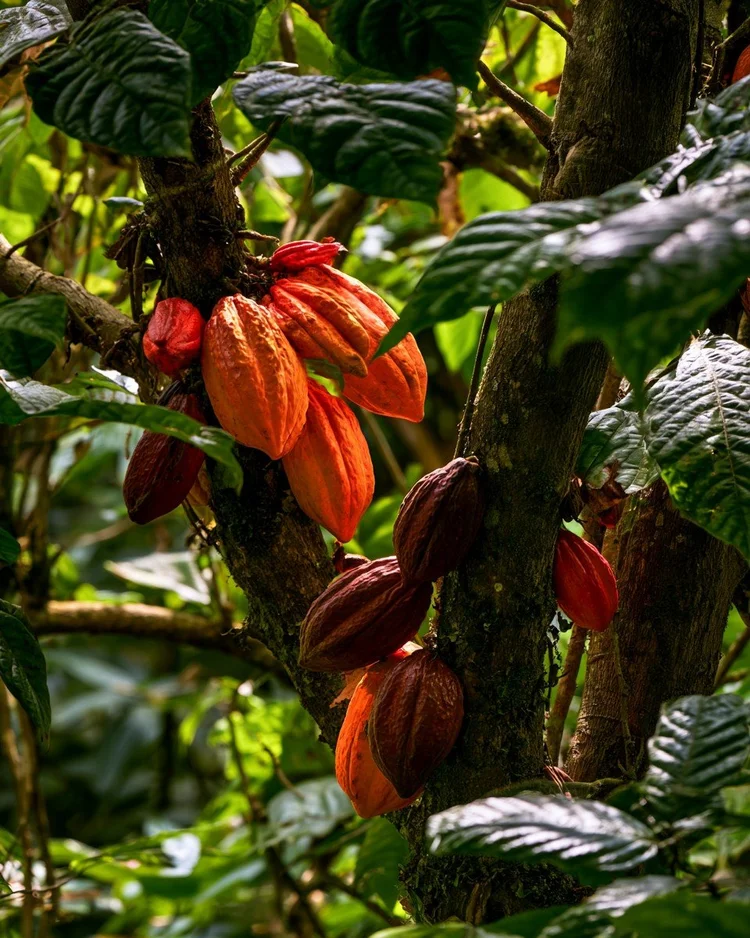
OriginCocoa absolute is drawn from roasted cacao (Theobroma cacao), giving a dry, bittersweet, dusty-chocolate depth rather than a sugary sweetness.
In historyThe Maya and Aztec drank cacao as a bitter, spiced ceremonial brew and used the beans as currency, and its botanical name, Theobroma, means food of the gods. Only after it crossed to Europe was it sweetened into the chocolate the world now knows.
Why it is preciousA true cocoa absolute holds a dark, complex bitterness that captures the roasted bean rather than the candy bar, and fine material is worth the seeking.
In the bottleIt lends a base a dark, comforting, faintly animalic richness.
No material matches your search. Try another note or family, or write us at support@ashenfume.com.
Curious about a material?
Ask the house where any note in your bottle was born.